
Knowledgecentre
Articles compiled from publications by the brands we represent and by occupational safety bodies. Each article lists the sources it is based on.
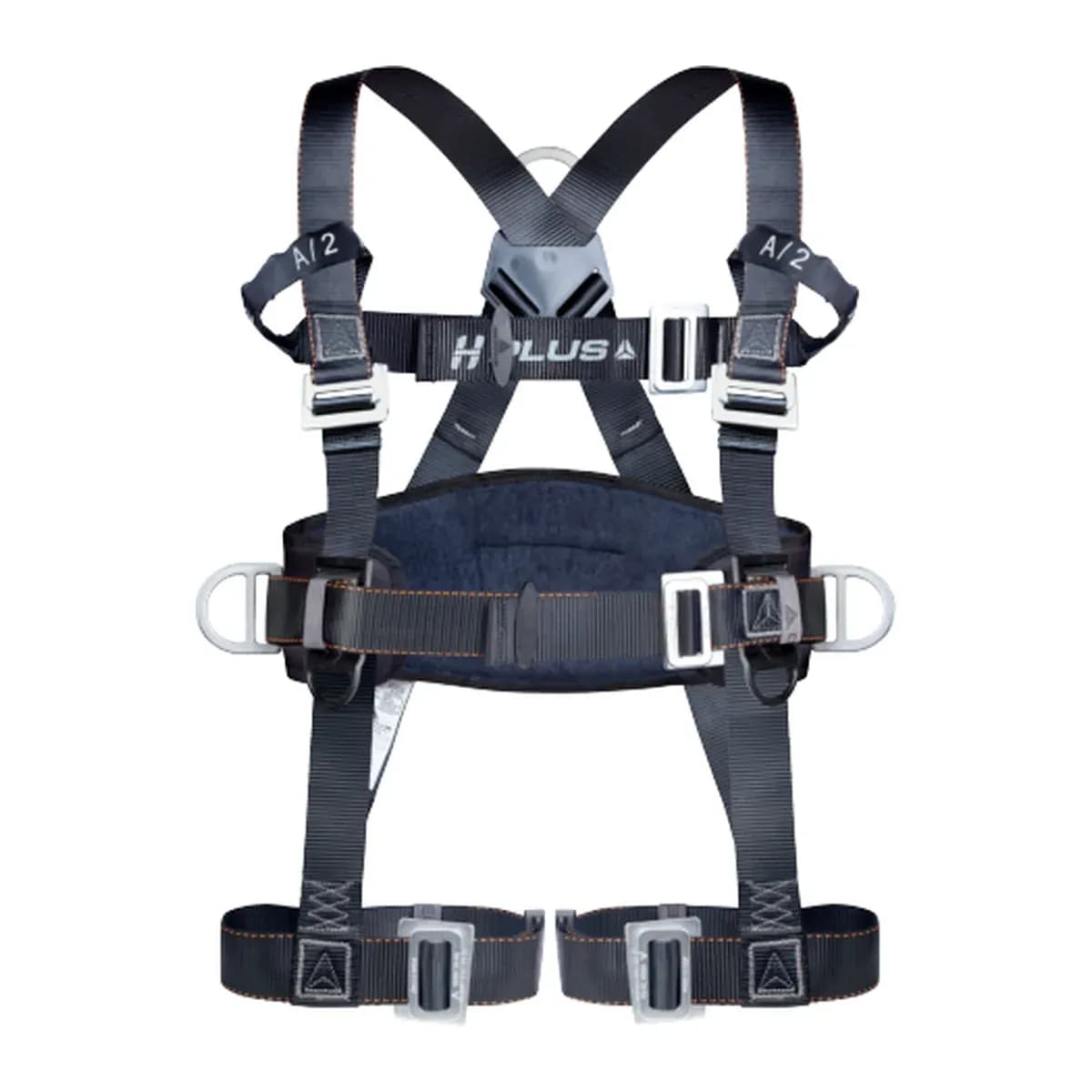
Work at height standards guide: harness, lanyard, anchor and clearance
A fall arrest system is a chain made up of an anchor, a connector, an energy-absorbing lanyard and a full body harness. This guide explains the standard for each link, the harness label, anchor and connector classes and the clearance needed, with diagrams.
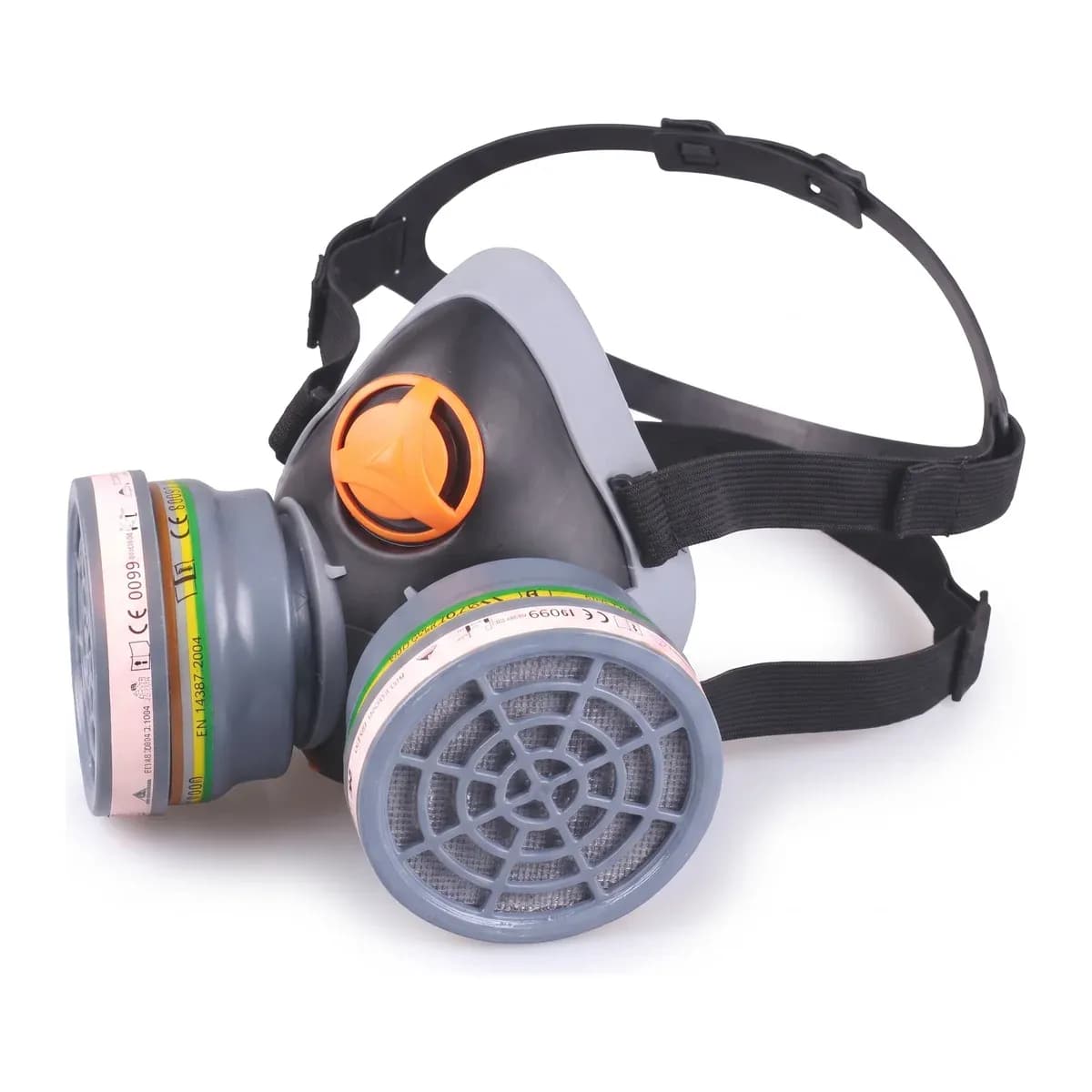
Respiratory protection standards guide: filter colours, FFP classes and device standards
Codes such as A1B1E1K1-P3 and the colour bands on a filter show which gases it protects against, and classes such as FFP2 or FFP3 show the particle protection. This guide explains filter codes, particle classes, the selection order and the standards for respiratory devices with diagrams.
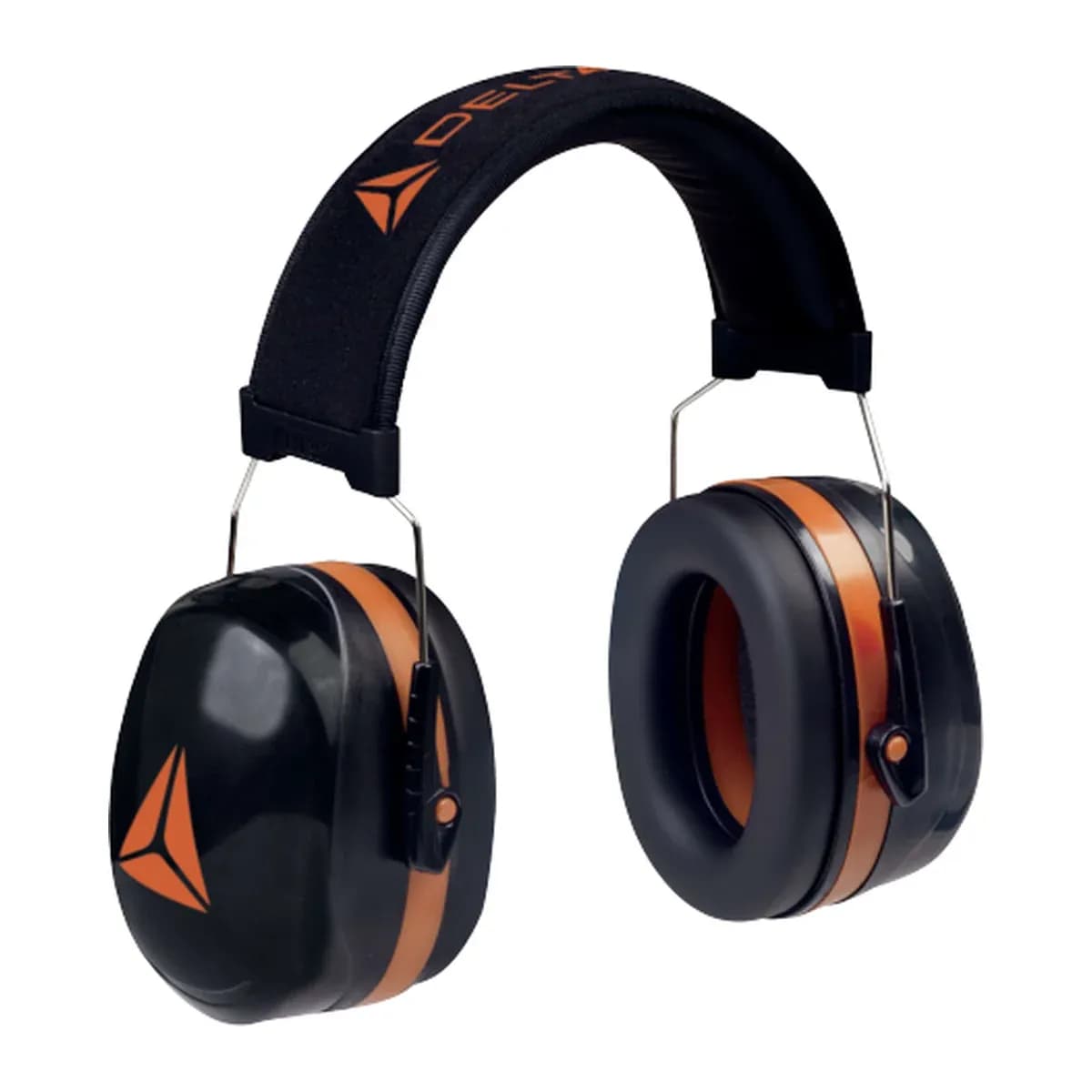
Hearing protection standards guide: SNR, EN 352 and the right level of protection
The SNR value on earmuffs and earplugs shows how much the sound is reduced on average, and the EN 352 part number shows the type of protector. This guide explains how to read the label, how to estimate the sound reaching the ear and what the legal action values are, with diagrams.
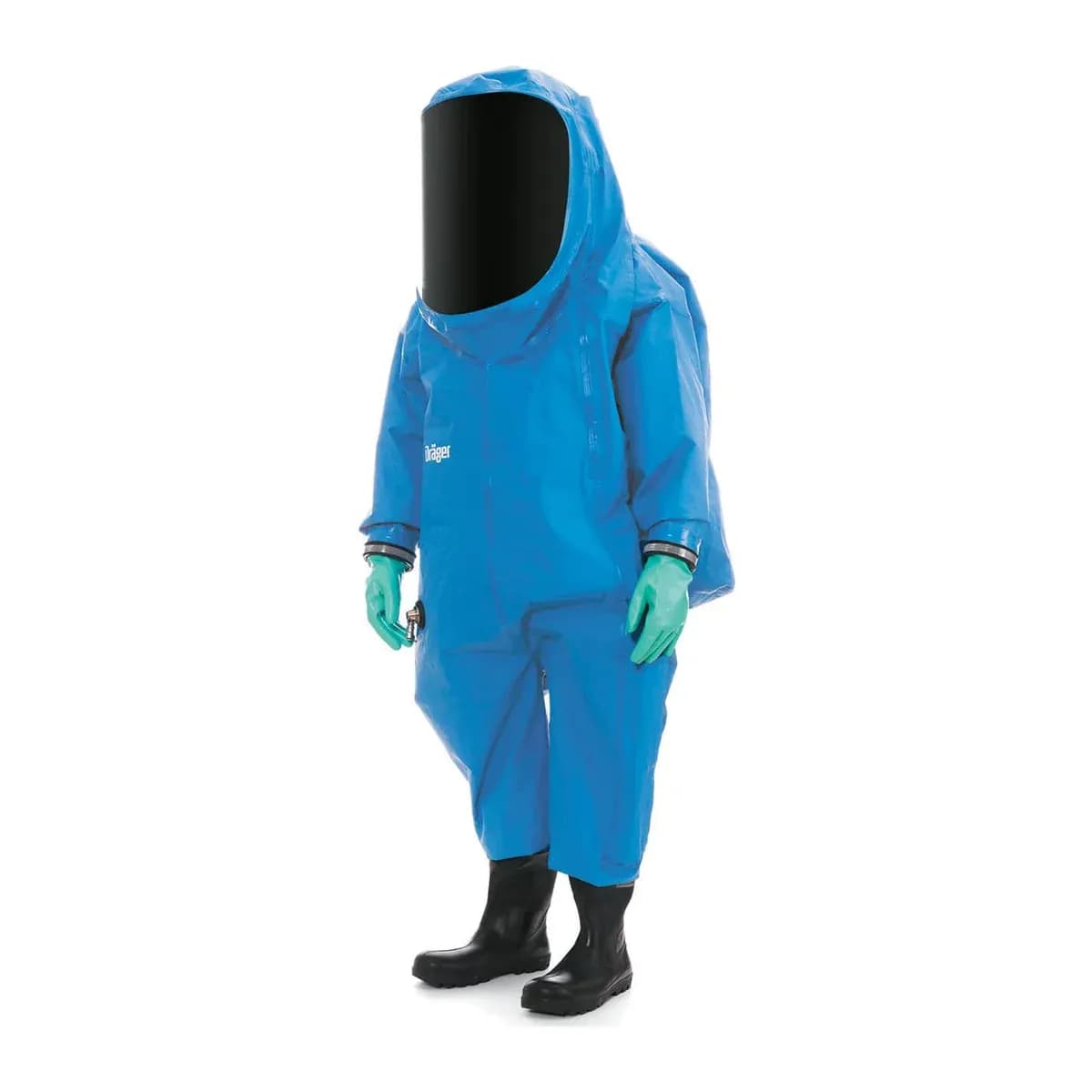
Protective clothing standards guide: chemical types, flame and high visibility
Markings such as EN ISO 11612, EN ISO 20471 or Type 3 on protective clothing show which hazard the garment was tested against. This guide explains chemical coverall types, visibility classes and the codes for flame, welding, arc and static electricity with diagrams.
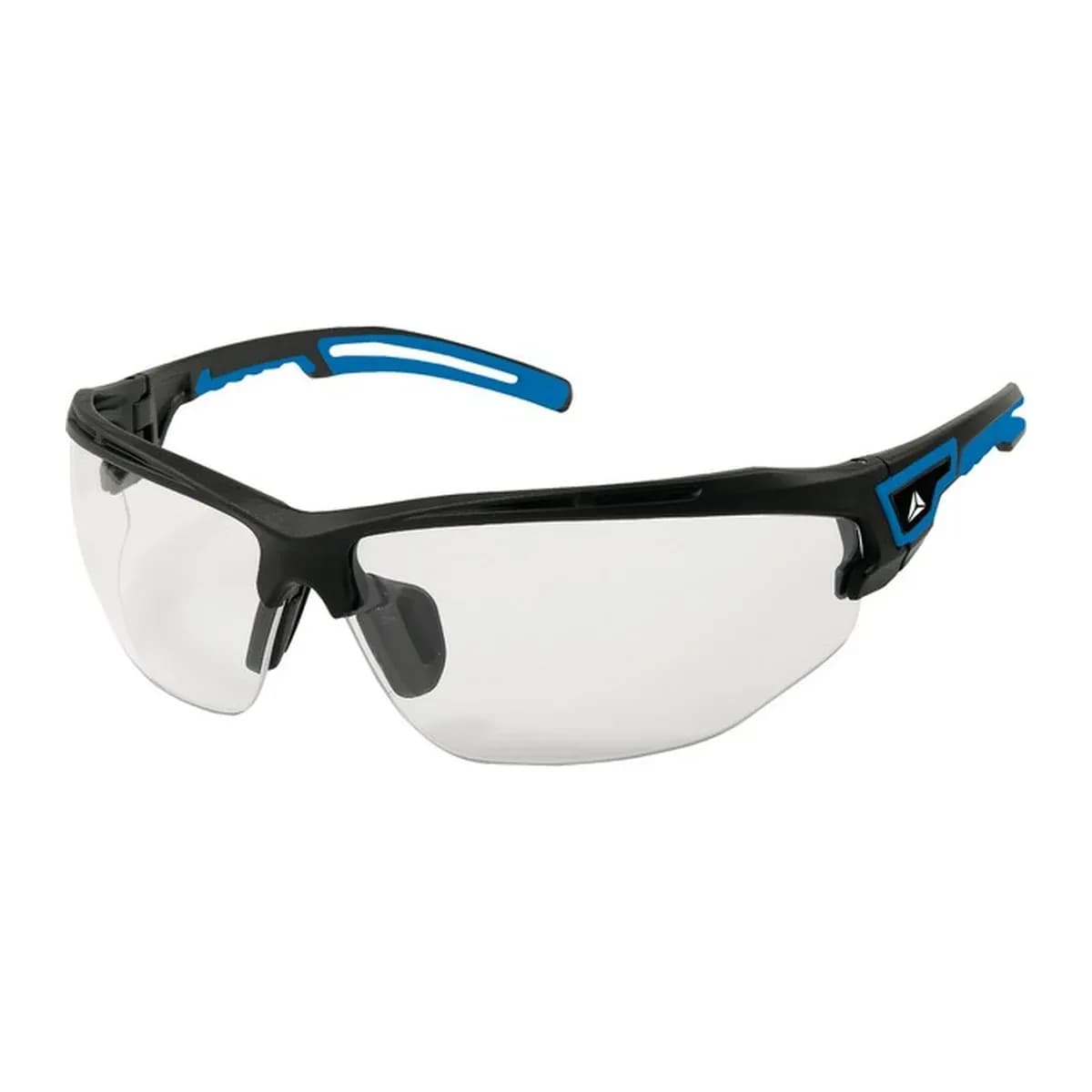
Eye and face protection standards guide: lens and frame markings
Markings such as 2C-1.2 1 FT KN on a lens show the filter type, optical class, impact resistance and surface properties. This guide explains EN 166 markings, impact classes, filter codes and the move to EN ISO 16321 with diagrams.
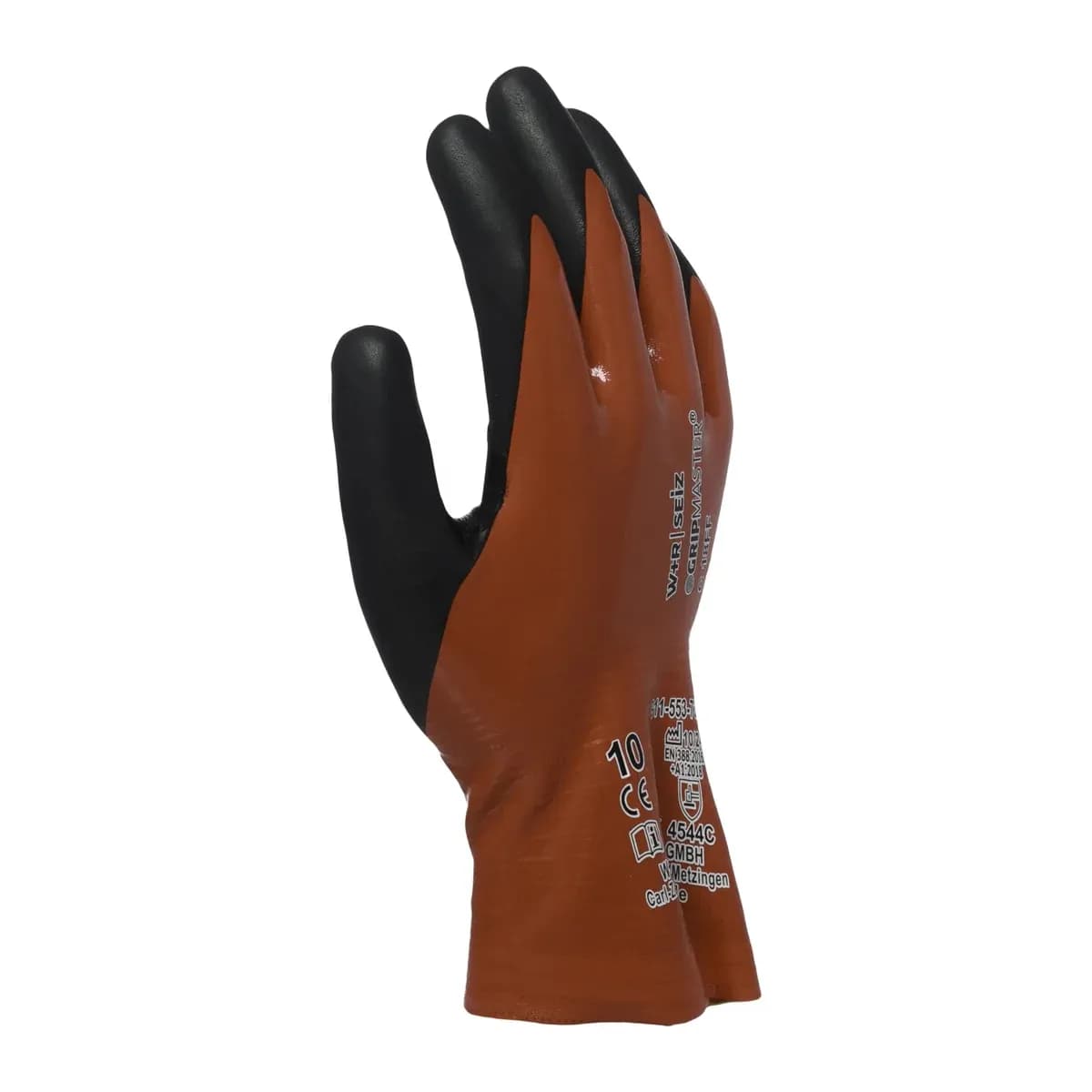
Hand protection standards guide: EN 388 codes and glove pictograms
Codes such as 4544C on a glove give its resistance to abrasion, cuts, tearing and puncture, in that order. This guide explains the EN 388 levels and the standards for chemical, heat, cold, welding and electrical gloves with diagrams.
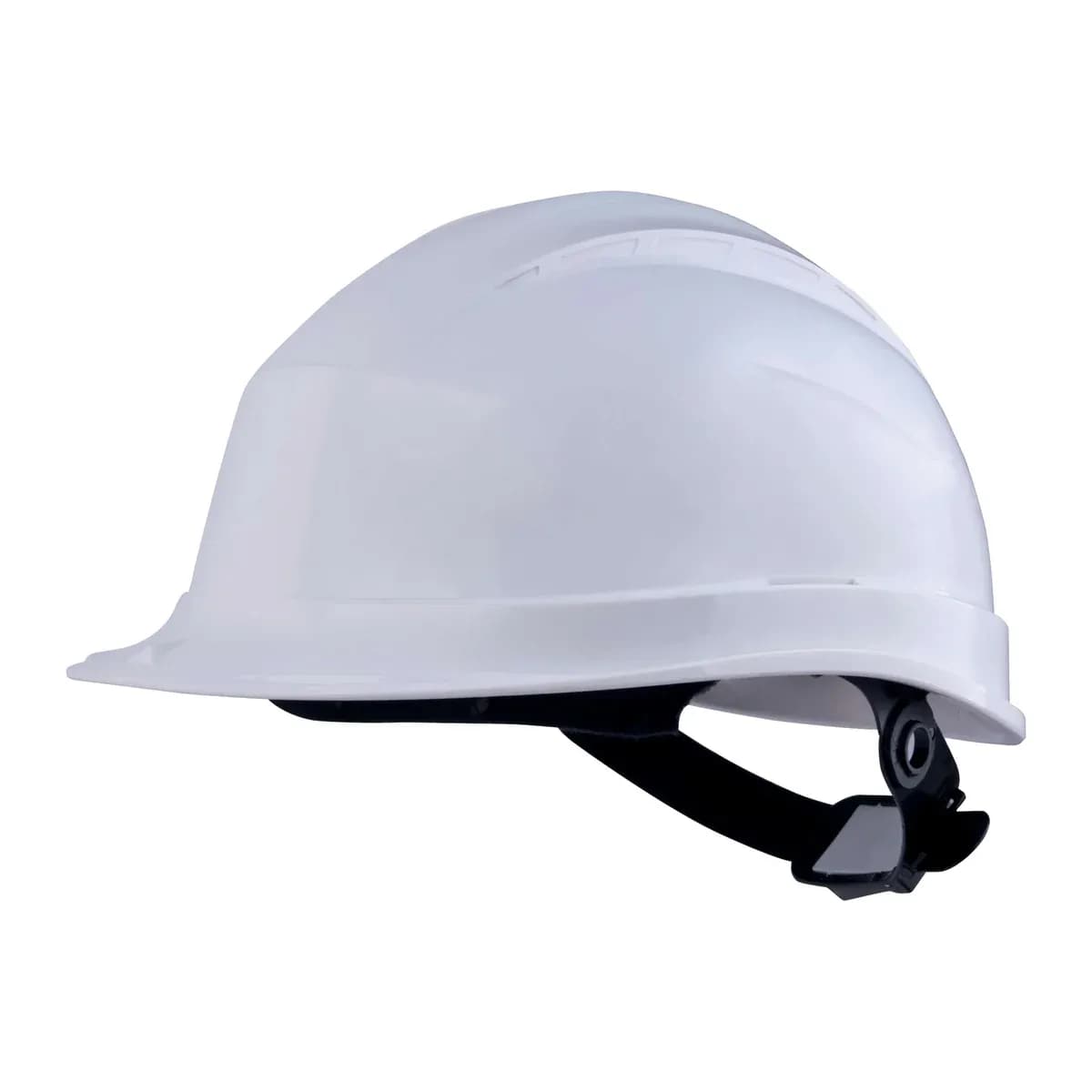
Head protection standards guide: EN 397, EN 12492 and helmet markings
Markings such as EN 397, −30 °C, 440 V or LD inside a safety helmet show which tests it passed and which extra conditions it withstands. This guide explains helmet markings, the differences between the 2012 and 2025 editions of EN 397 and the other head protection standards with diagrams.
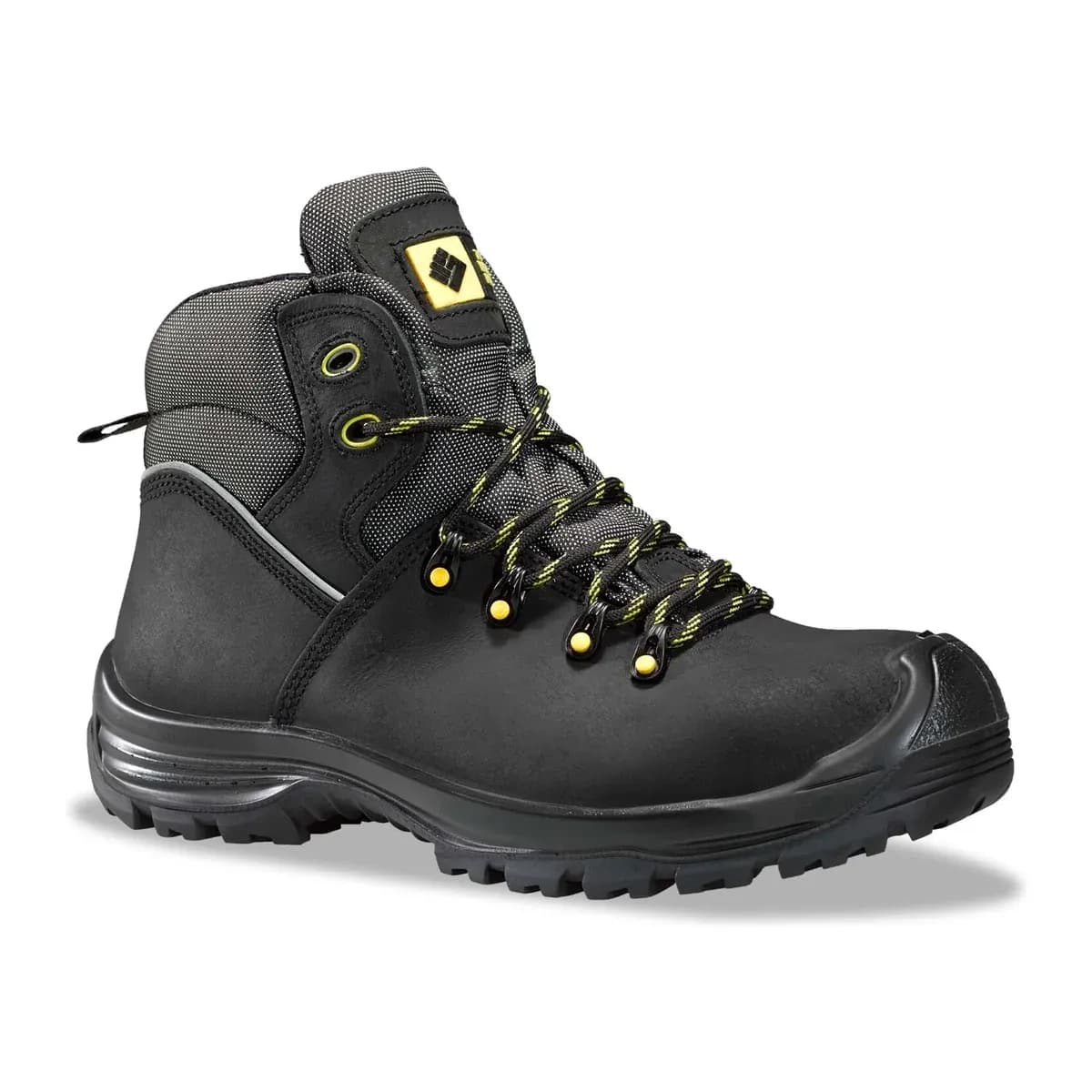
Foot protection standards guide: what do S1, S3, SR and WR mean?
Codes such as S1P, S3S, SR or WR on a safety shoe show which standard it was tested to, how the toes are protected, how it resists puncture and water, and which slip test it passed. This guide explains the EN ISO 20345:2022 codes with diagrams.
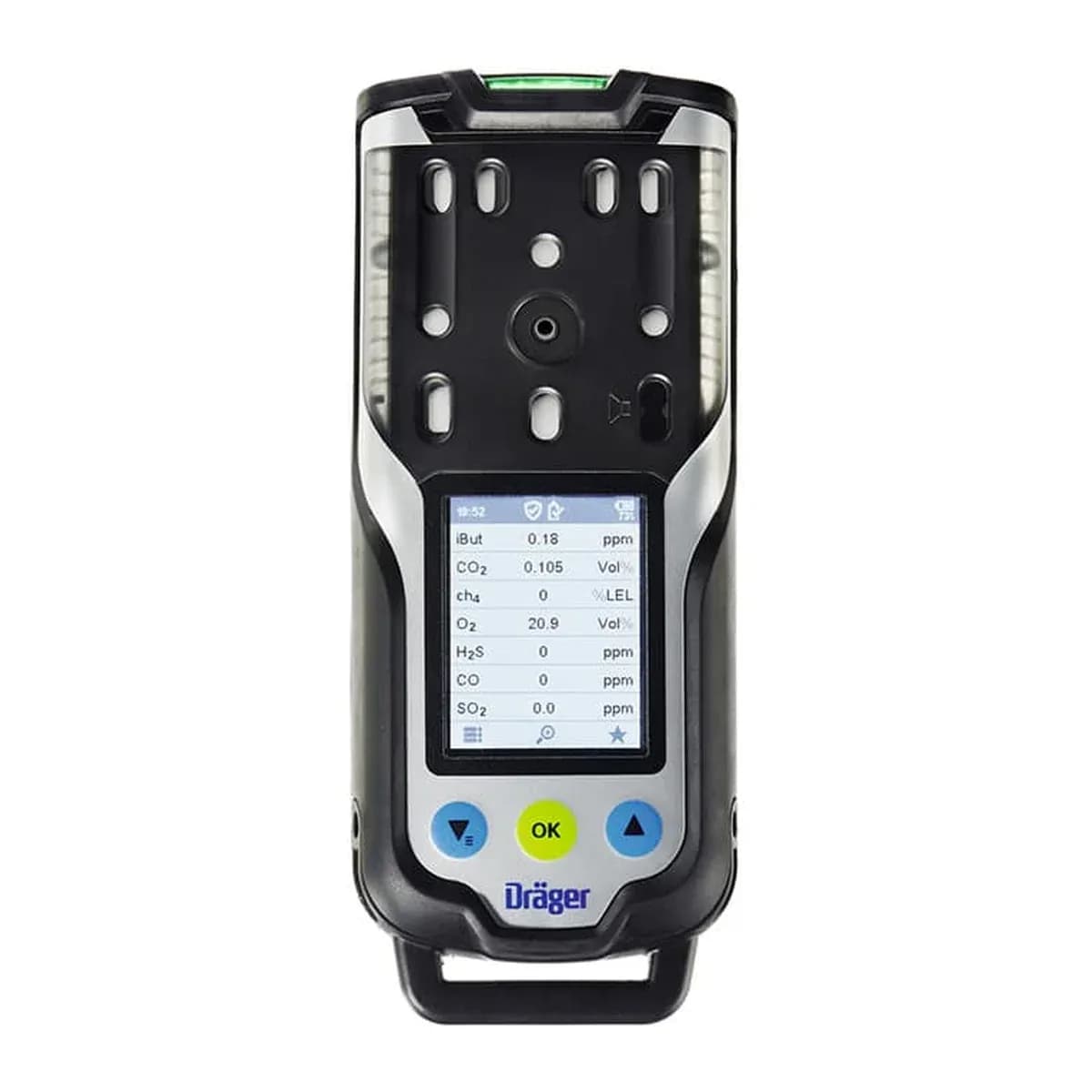
ATEX and gas detection standards guide: Ex marking, zones and sensors
A marking such as II 1G Ex ia IIC T4 Ga on a gas detector's label tells you in which zone, with which gases and with what surface temperature limit the device may be used. This guide explains the Ex marking, the match between zone and category, sensor types and bump testing with diagrams.