- Range: 0.3 – 10 ppm
- Simple semiquantitative method of PH3 detection
- Easy to handle, no technical skill required
- No other chemicals or solutions required

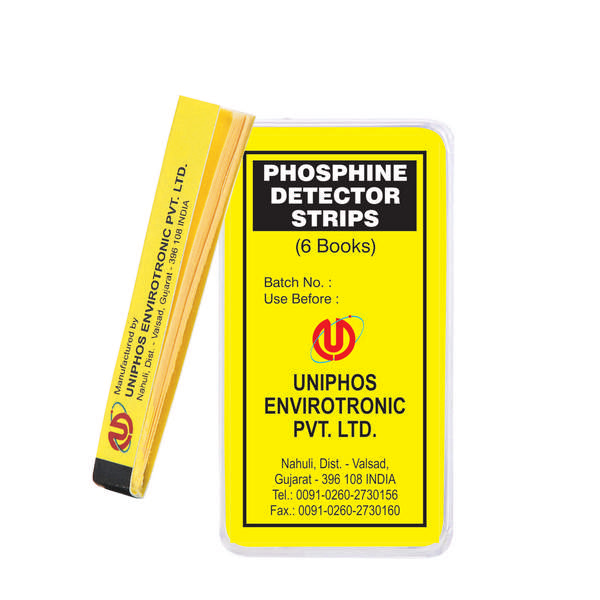
Phosphine detector strips alert workers of the presence of PH3 in dangerous levels. The strips change colour from their original yellow to pink when exposed to PH3 gas. The time it takes to change colour can be related to the PH3 gas concentration in the environment. They can be used to check the fumigated area for the presence of PH3 after aeration is complete and to confirm that the area is safe for re-entry. These strips can also be given to workers as badges when they are working in/near fumigated structures.

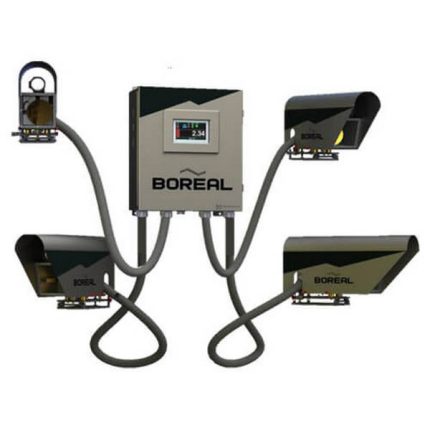
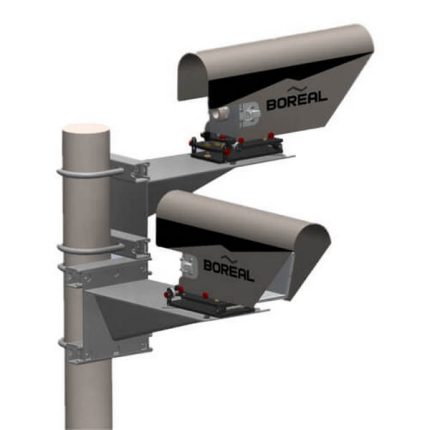
The GasFinder3-OP is a field deployable Open-Path Tunable Diode Laser (OP-TDL) based gas analyzer system that is primarily used for:
This technology is also most commonly referred to as Open Path Gas Detection (OPGD) or Line of Sight (LOS).
This particular technology is ideal for detecting or monitoring for a number of different Toxic, Combustible, Hazardous, or Greenhouse Gases.
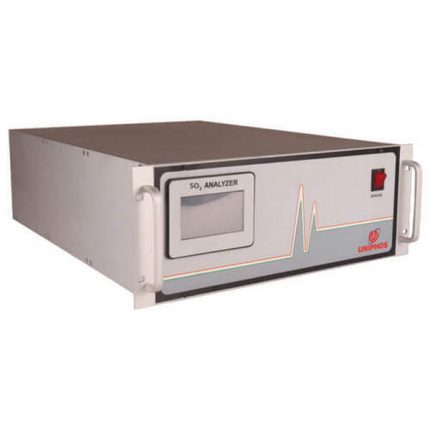
The Uniphos Fluorescence Based SO2 Stack Gas Analyzer is a reliable instrument with high sensitivity and selectivity which is designed and developed to meet customer’s requirement for measuring the concentration of SO2 in PPM levels. Specific optical filters in the fluorescence cell in addition to moisture and hydrocarbon scrubbing systems ensures removal of any interferences making the analyzer highly specific for SO2 detection.
The optical excitation of SO2 molecules results in fluorescence in the wavelength region typically between 240-420 nm and the fluorescence intensity is related to SO2 concentration.
The Analyzer is equipped with the latest embedded and IOT technologies which enables the user to perform Auto/ Remote calibration. The analyzer comes with built in diagnostics and internal memory which can store the test results along with date and time.
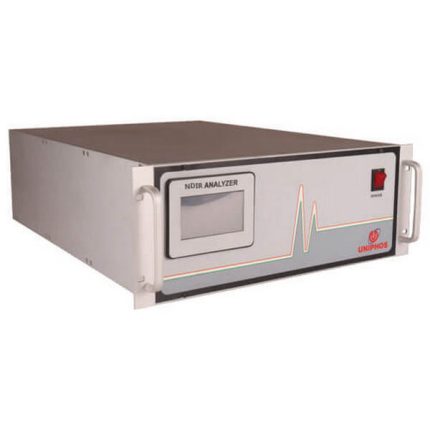
All diatomic and polyatomic molecules have one or several vibrational modes which can absorb radiation and give rise to a unique absorption spectrum in the infrared region with several absorption lines. Taking any one of the IR absorption lines of the target gas as its finger print, an instrument can be built for measurement of target gas concentration. Infrared technique is endowed with very high specificity when a right choice of the vibrational frequency of the target molecule is made. This technique is cost effective and reliable for measurement of gas concentration in parts per million range.
The Uniphos NDIR Stack Gas Analyzer are endowed with specificity and have adequate sensitivity for the detection of gases like SO2, NOx, CO, CO2 and CH4 in industrial stacks. The in-built powerful pump enables the analyzer to draw the sample from stack. Analyzer is equipped with the latest embedded and IOT technologies which enables the user to perform Remote calibration. This PLC based analyser incorporates all desired features which makes it user-friendly and fail safe.
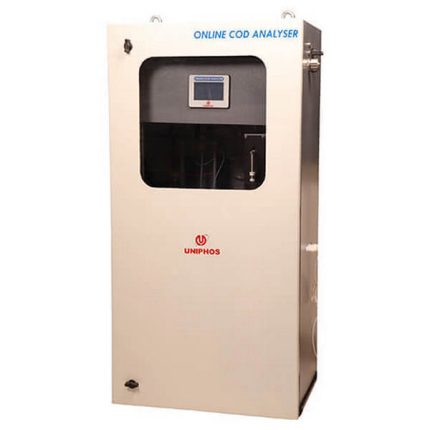
Chemical Oxygen demand is defined as the amount of oxygen required for the oxidation of all the organic compounds present in a water sample.
The Uniphos online COD analyzer is a programmable, fully automatic analyzer which measures COD of waste / effluent water samples using a direct method of analysis. This direct method involves oxidation of sample by potassium dichromate and measurement by potentiometric titration. No human intervention is required during the measurement, as the analyzer is completely automated.
The inbuilt diagnostics feature gives an alarm if there are any faulty components or if the reagent level goes below the minimum level. Equipped with a next generation touchscreen HMI for display and programming, the analyzer provides a variety of data communication options such as RS-485 MODBUS and industry standard 4-20 mA analog output
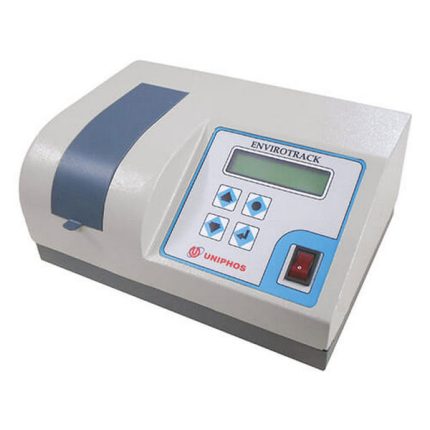
The Uniphos Envirotrack is microprocessor based portable instrument custom made to measure the pollutants in the Ambient Air. It comes with an Air sampler where the sample air is scrubbed in a solution specific to the pollutant. The pollutant gas dissolves in the gas specific chemical and is further processed to produce a colored dye. The instrument measures the absorbance of light passed through this colored dye and relates it to the concentration of pollutants in ppb levels.
With datalogging included as standard and the presence of a USB interface, the user can easily transfer the stored data along with time and date to a computer.
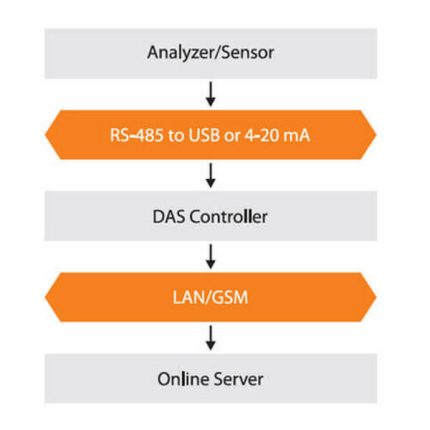
Data acquisition is an important function in Continuous Emission Monitoring Systems (CEMS). The main objective of the data acquisition system is to provide real time reports that can be used for compliance reporting, process improvements and environment performance management. With in-built GSM/LAN connectivity, the gas readings are uploaded to the cloud, where they can be viewed from anywhere in the world on a laptop or mobile device and alarm functions can easily be configured, allowing 24/7 continuous monitoring.

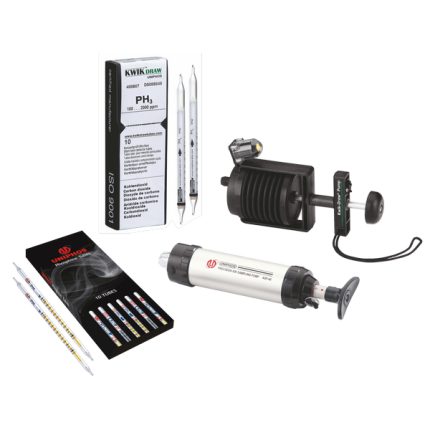
Gas Detector tubes, also known as colorimetric gas detection tubes, are sealed glass tubes filled with a sensing chemical. When air from inside or outside the fumigated space is drawn through the tube using the appropriate gas sampling pump, the sensing chemical inside changes color and forms a stain. The length of the stain thus formed is proportional to the gas concentration present at the point of sampling and can be easily read from the scale printed on the tube.
Detector tubes enable the user to easily make on the spot measurements of Phosphine in the fumigated area. PH3 Tubes are available both in the lower concentration levels of 0.01 ppm, as well as the fumigation concentration levels of 400 to 5000 ppm.
We offer a choice of both thick and thin tubes (KwikDraw and Uniphos) within our portfolio.