IMO has updated its recommendations for entering enclosed spaces aboard ships with MSC.581(110). The number of gas measuring instruments, the testing sequence, acceptance values for entry and personal detectors are now set out in more detail.
With resolution MSC.581(110), adopted on 27 June 2025, the IMO Maritime Safety Committee revised the recommendations for entering enclosed spaces aboard ships and asked the Assembly to revoke the earlier resolution A.1050(27). The resolution is not mandatory; however, Governments are asked to bring the recommendations to the attention of shipowners, operators and seafarers and to encourage their application on all ships as far as appropriate. The text adds detail in particular on hazard identification, atmosphere testing and rescue preparedness.
Why was it updated?
The introduction to the recommendations states that investigations into enclosed space accidents have shown that failure to identify hazards systematically, to assess risks and to follow a proper entry procedure is still a significant factor in many accidents. It also highlights the role of organisational leadership on board and ashore in enabling personnel to make the right decisions. The text points out that an unsafe atmosphere can also develop in spaces adjacent to or connected with hazardous spaces; examples listed include forecastle stores, pump rooms, compressor rooms, inert gas rooms and holds carrying oxygen-depleting or fumigated cargoes. It also recommends an Enclosed Space Register, prepared separately for each ship, kept on board and ashore and updated as necessary.
Atmosphere testing: key recommendations
- The measuring instrument should be selected to suit the cargo carried (taking into account SDS, IMDG, IMSBC, IBC and IGC information) and must also work correctly in an oxygen-depleted atmosphere; this also applies to instruments that measure CO2.
- Testing should be carried out with a calibrated instrument by trained persons, before entry and at regular intervals, and at more than one level to allow for stratification.
- With reference to SOLAS XI-1/7 and MSC.1/Circ.1477, the resolution provides for at least two sets of gas measuring instruments on all ships. Two additional sets are recommended for ships that carry cargoes which may give off hazardous vapours and that require regular entry into holds.
- Flexible hoses or fixed sampling lines can make it possible to test remote parts of the space without entering.
- Before entry, the following steady readings are required: 20.9 per cent oxygen by volume; CO2 below 0.5 per cent by volume (5,000 ppm) (national rules may differ); below 1 per cent of the LFL where flammable gas may be present; and below 50 per cent of the occupational exposure limit for toxic vapours and gases.
- If these values are not achieved, ventilation is increased and testing is repeated after a suitable interval. For an accurate result, testing is carried out after ventilation has been stopped and conditions have stabilised.
- Flammability and oxygen readings do not indicate toxicity; if there is a risk of toxic gas, appropriate testing must also be carried out.
While in the space and rescue preparedness
- Testing is repeated at frequent intervals while work is under way in the space.
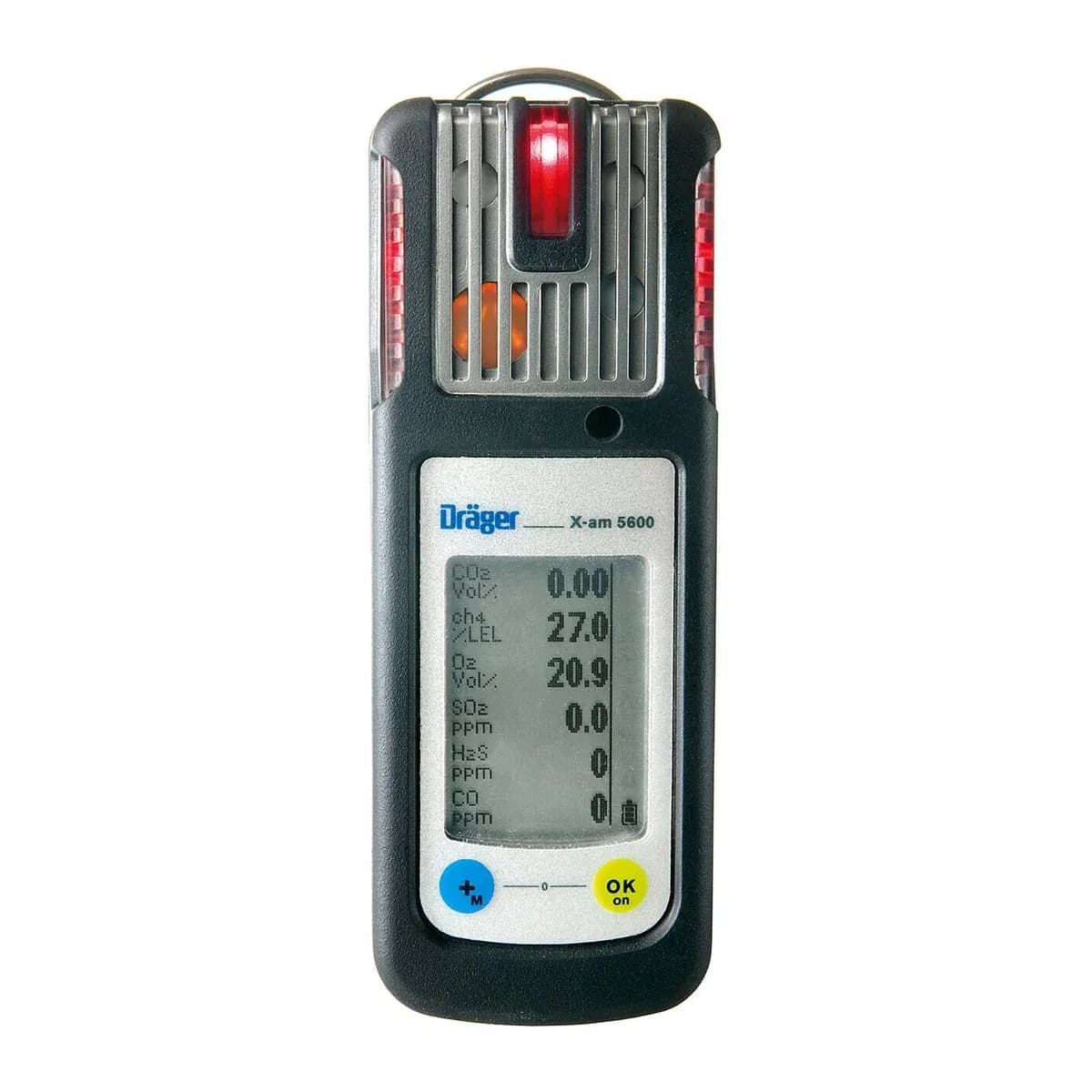
- Those entering carry a calibrated and tested personal gas detector for oxygen, CO2, flammable gases, toxic gases including CO, and other gases identified in the risk assessment.
- Ventilation is maintained; the atmosphere is retested after breaks, and the space is left if ventilation stops.
- The attendant stationed at the entrance never enters the space in an emergency.
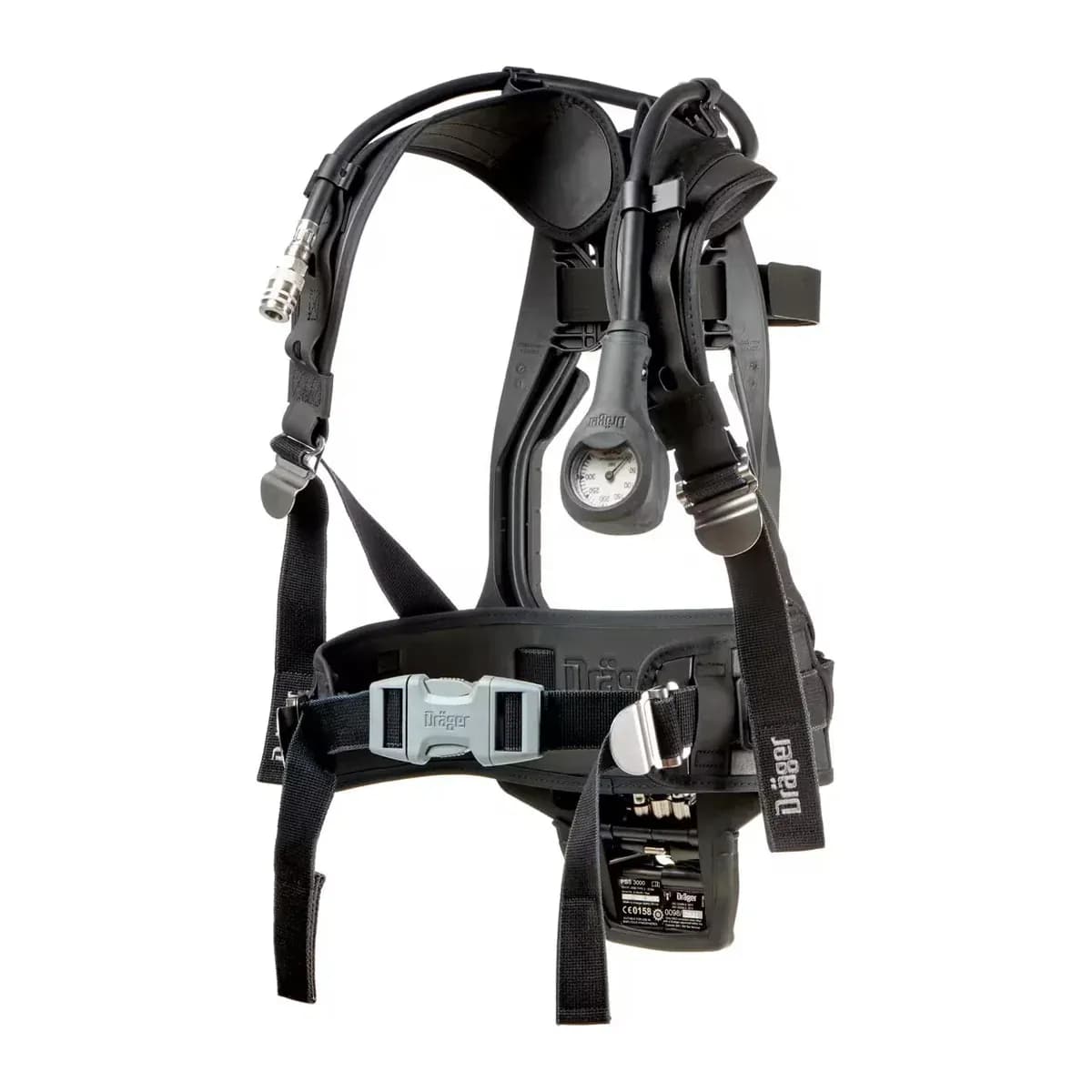
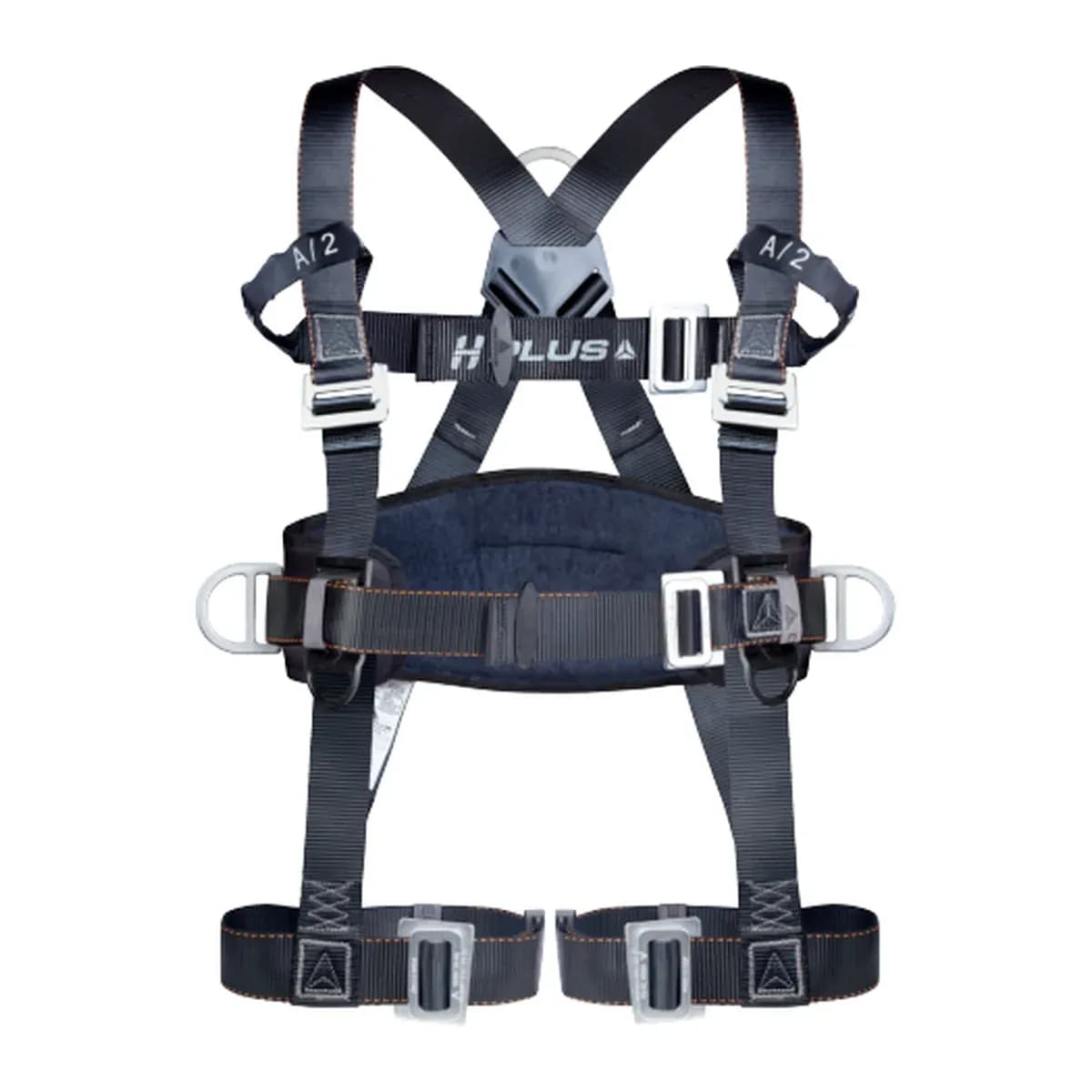
- Breathing apparatus, a lifeline and a rescue harness are kept ready for rescue; rescue drills are held regularly in accordance with SOLAS III/19.3.6.
This article is for general information only; you should check the current text for your company procedures and for flag State and classification society requirements.
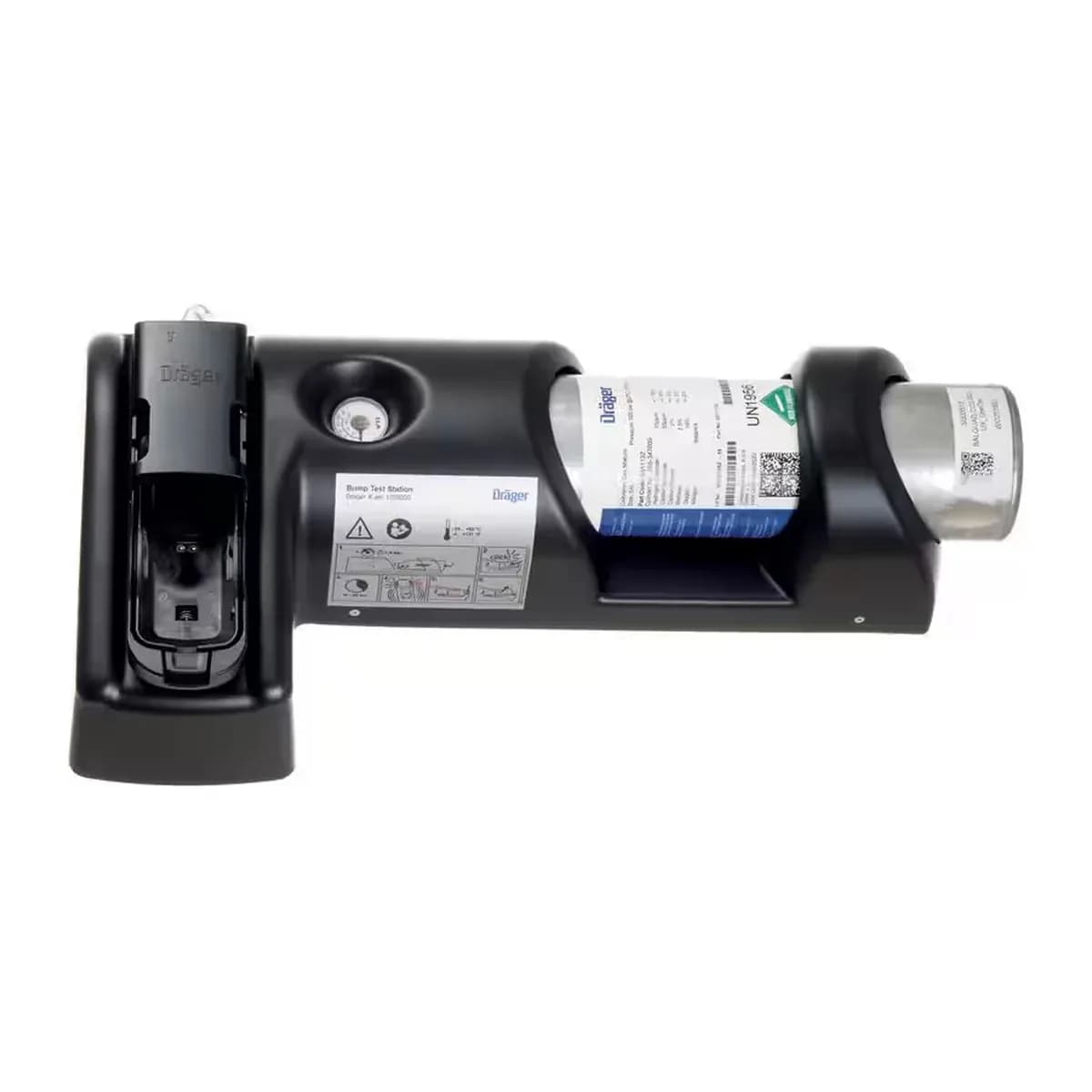
For enclosed space testing, you can browse the multi-gas detectors, sampling pump and bump test station in our catalogue; for rescue preparedness, see our breathing apparatus.
Frequently asked questions
Is MSC.581(110) a mandatory regulation?
No. The resolution is recommendatory; Governments are asked to encourage the application of the recommendations on all ships. However, the rules referred to, such as SOLAS XI-1/7 and III/19.3.6, are mandatory.
How many sets of gas measuring instruments should be carried on board?
With reference to SOLAS XI-1/7 and MSC.1/Circ.1477, the resolution provides for at least two sets on all ships, and recommends two additional sets for ships that carry cargoes which may give off hazardous vapours and that require regular entry into holds.
Sources
This article is compiled from these sources; for technical values and obligations, the current edition of the source applies.