According to FLIR's assessments of NFPA 70B 2023, thermography has become a mandatory part of the electrical maintenance programme. We summarise the inspection intervals, ΔT measurement and documentation requirements.
With its 2023 edition, NFPA 70B, published by the National Fire Protection Association (NFPA) in the USA, changed from a recommended practice for electrical equipment maintenance into a standard containing mandatory requirements. According to FLIR's technical articles on the subject, this change has made thermography one of the core elements of an electrical preventive maintenance (EPM) programme. At the heart of the standard's thermography section is the concept of ΔT, i.e. temperature difference.
Changes in the 2023 edition
The main points highlighted in FLIR's articles of April 2023 are:
- In the previous edition, annual thermography was recommended for certain equipment, such as outdoor substations, switchgear, stationary battery systems, motor control equipment, busbar trunking and UPS systems.
- In the 2023 edition, inspection of all electrical equipment at least every 12 months became mandatory.
- For equipment whose physical condition is classified as 3 (Condition 3), for example equipment in which previous scans found issues requiring urgent action, thermographic inspection should be carried out at least every 6 months.
- According to FLIR, NFPA updates 70B every three to five years.
Section 7.4: How is ΔT measured and recorded?
According to FLIR's summary of the thermography section of the standard:
- 7.4.1: Thermography should be used to measure the temperature difference between similar electrical components under similar load and to compare differences between components and the ambient air. FLIR stresses that covers should be opened before measurement to provide a direct line of sight between the camera and the equipment.
- 7.4.3: Temperature differences between the problem area and the reference area should be documented.
- Thermographic inspections are expected to be documented, assigned and carried out by qualified personnel.
In practice, this means that noting a single hot-spot value is not enough. For example, the temperature differences between the three phases under the same load and their condition relative to the ambient temperature should be recorded together.
Recommendations for field application
- Opening covers on energised equipment is a separate electrical safety risk; it must not be done without a permit to work, appropriate PPE and authorised personnel.
- Look for multiple measurement points and a ΔT calculation function on the camera, and for the ability to export ΔT values in the reporting software.
- The inspection date, equipment identification, the load condition at the time of measurement and the ΔT values should be kept in the same report.
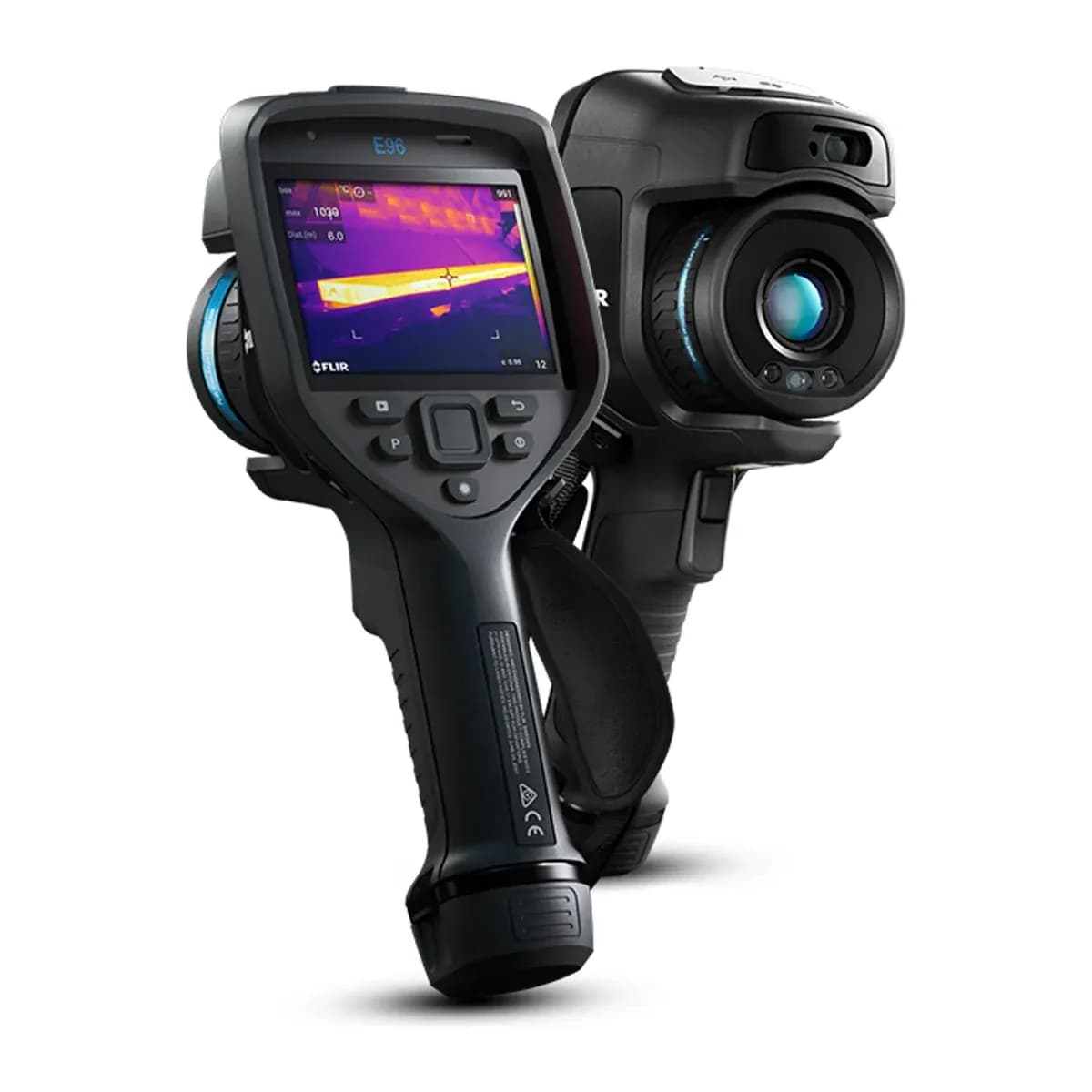
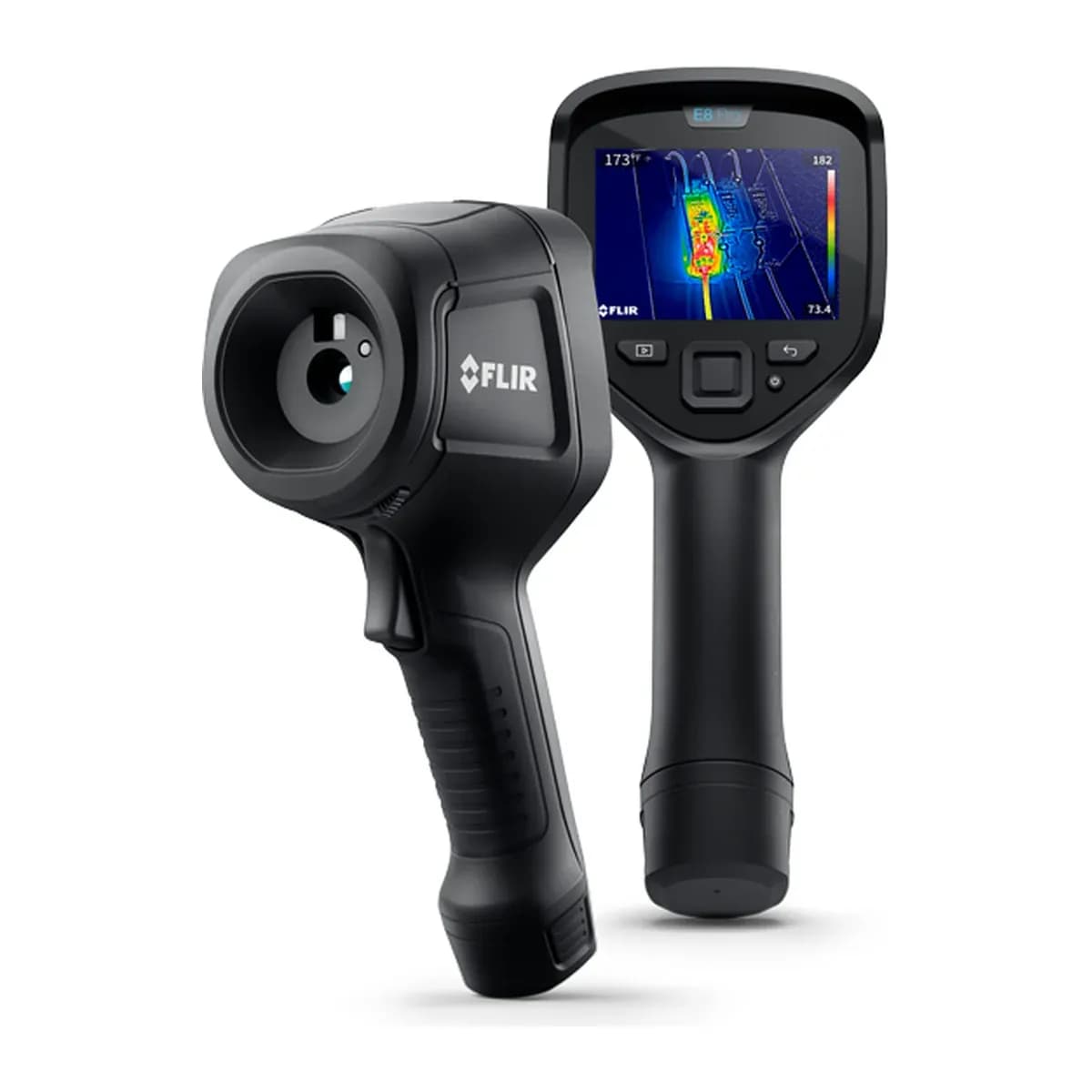
FLIR's Ex Pro series (E5 Pro, E6 Pro and E8 Pro) is presented on its product page with ΔT tools aimed at NFPA 70B. Depending on the model, the series offers thermal resolution from 160 × 120 to 320 × 240, measurement up to 400 °C or 550 °C, ±2 °C or ±2% accuracy, IP54 protection and 2 m drop resistance.
Although NFPA 70B is a US standard, it provides a useful framework for facilities setting up an electrical maintenance programme; the requirements that apply at your own facility should be based on the legislation in force and the current text of the standard.
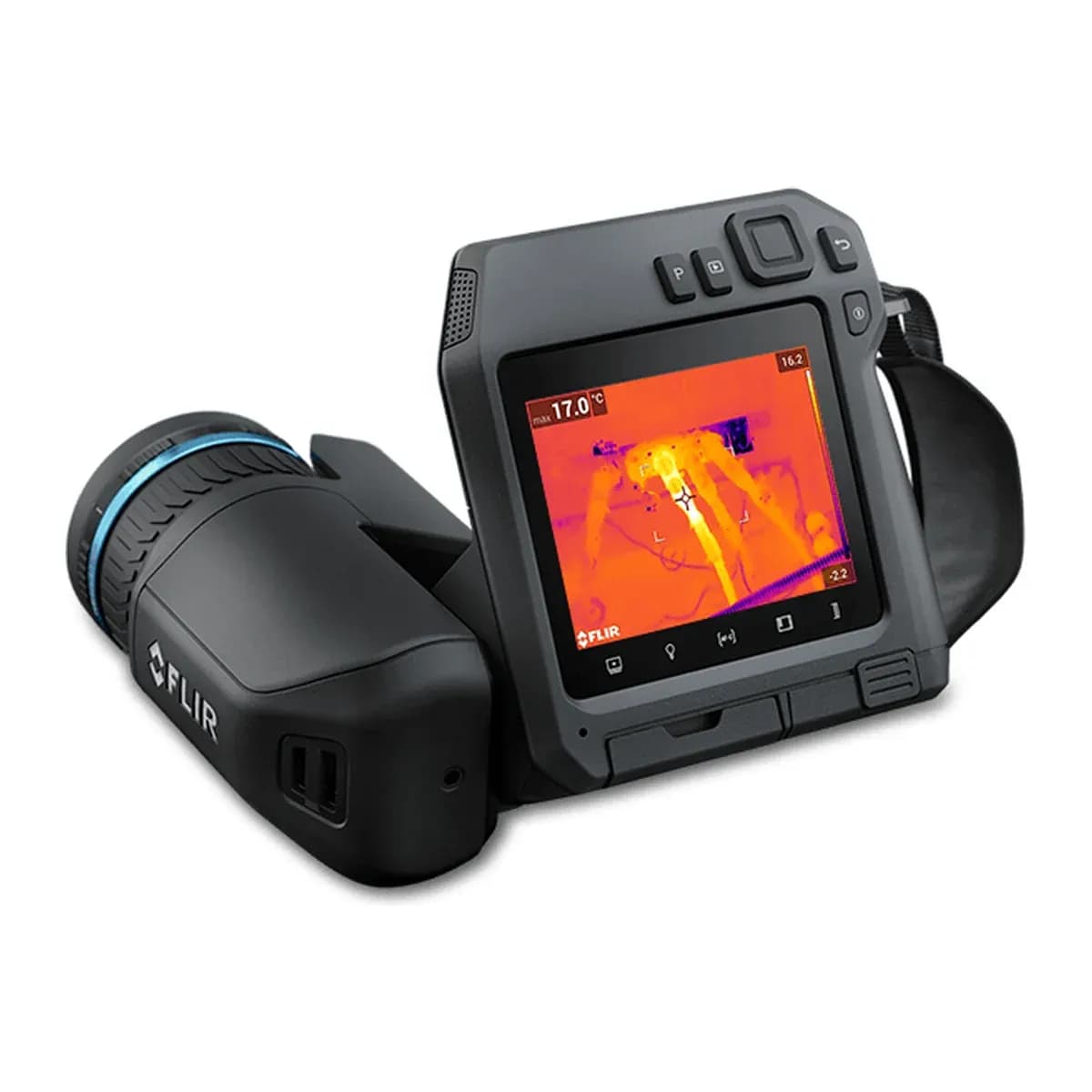
In the Vertex Safety Türkiye catalogue, you can browse FLIR Ex Pro, Exx and T series thermal cameras and get support from our technical team in choosing the right model for your thermography programme.
Frequently asked questions
How often should thermography be carried out under NFPA 70B 2023?
According to FLIR's summary, all electrical equipment should be inspected at least every 12 months; for equipment classified as Condition 3, thermographic inspection should be carried out at least every 6 months.
What is compared in a ΔT measurement?
According to FLIR's summary of Section 7.4.1, the temperature difference between similar components under similar load is measured, and the differences between components and the ambient air are compared.
Sources
- Teledyne FLIR – Reviewing the Specific Thermography Regulations within NFPA 70B 2023 · 2023-04-26
- Teledyne FLIR – NFPA 70B 2023: New Guidelines for Electric Inspections · 2023-04-04
- Teledyne FLIR – Ex Pro Series
This article is compiled from these sources; for technical values and obligations, the current edition of the source applies.