HSE's INDG479 guidance, dated October 2025, explains when and by which method face fit testing should be carried out on tight-fitting facepieces, the pass criteria and the expectations for record-keeping.
The UK Health and Safety Executive (HSE) publishes the October 2025 version of its INDG479 guidance on face fit testing of respiratory protective equipment (RPE). The guidance defines face fit testing as a method of checking whether a tight-fitting facepiece of a particular model and size seals adequately to the wearer's face. Following it is not compulsory, but it is a source that HSE inspectors may refer to as an example of good practice.
Which facepieces should be tested?
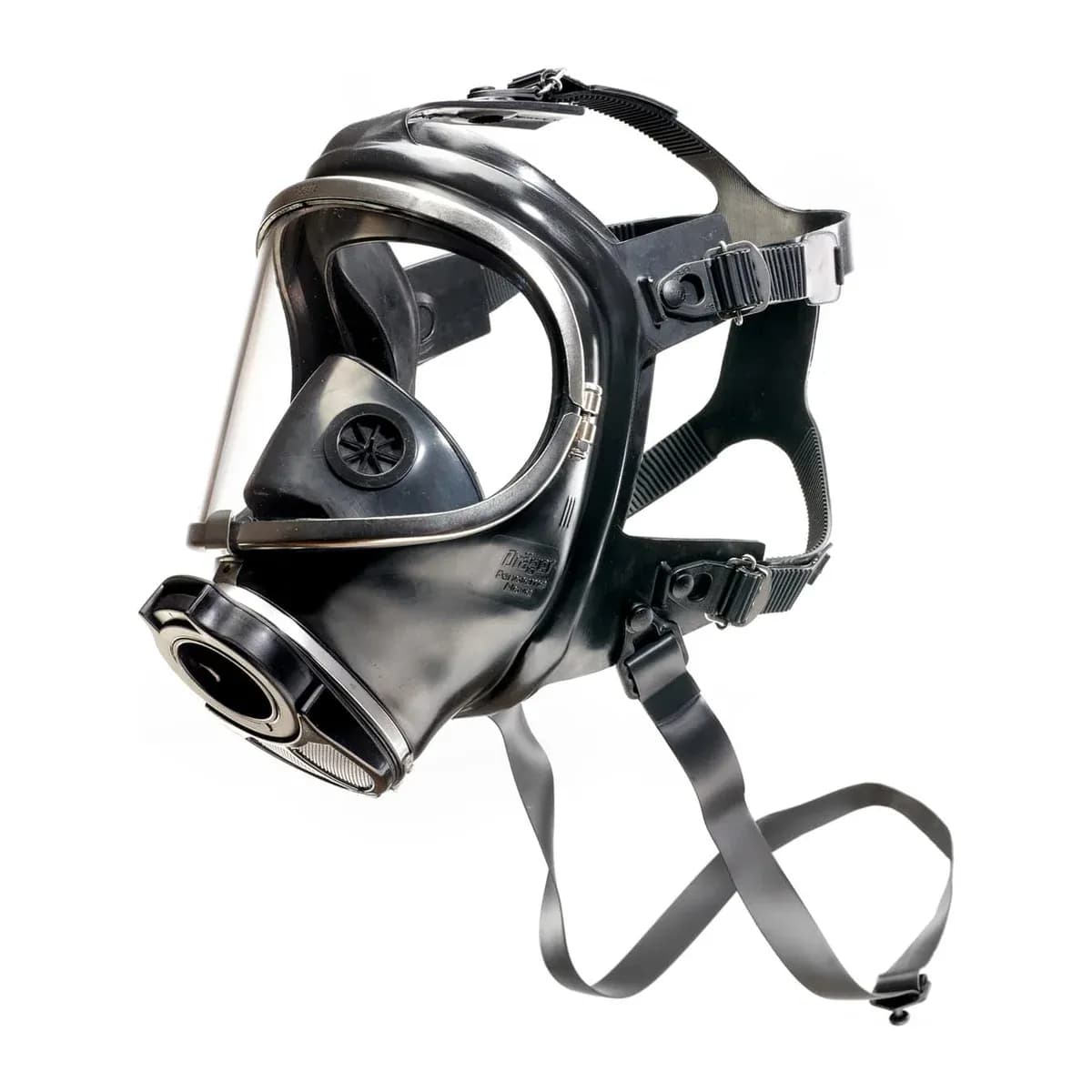
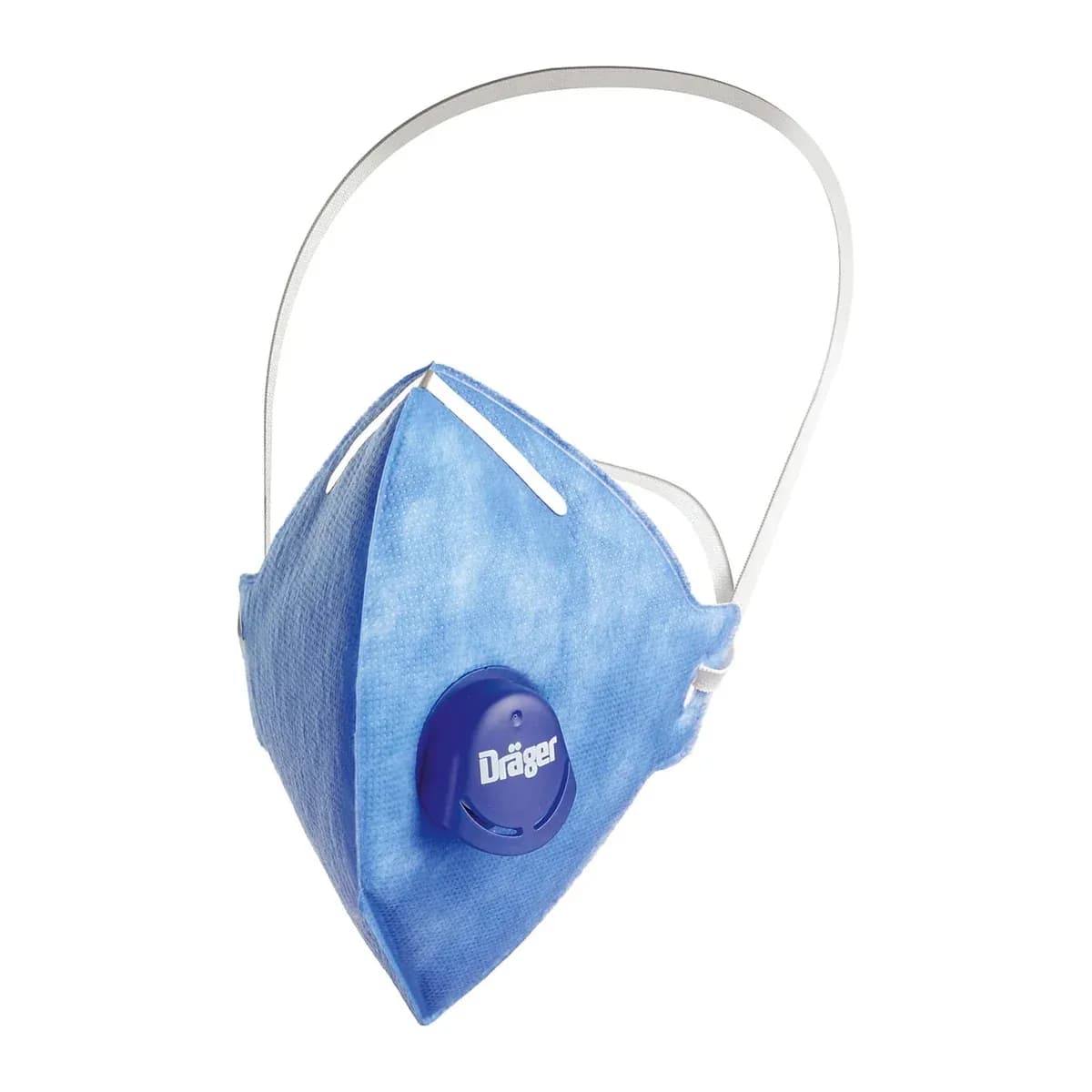
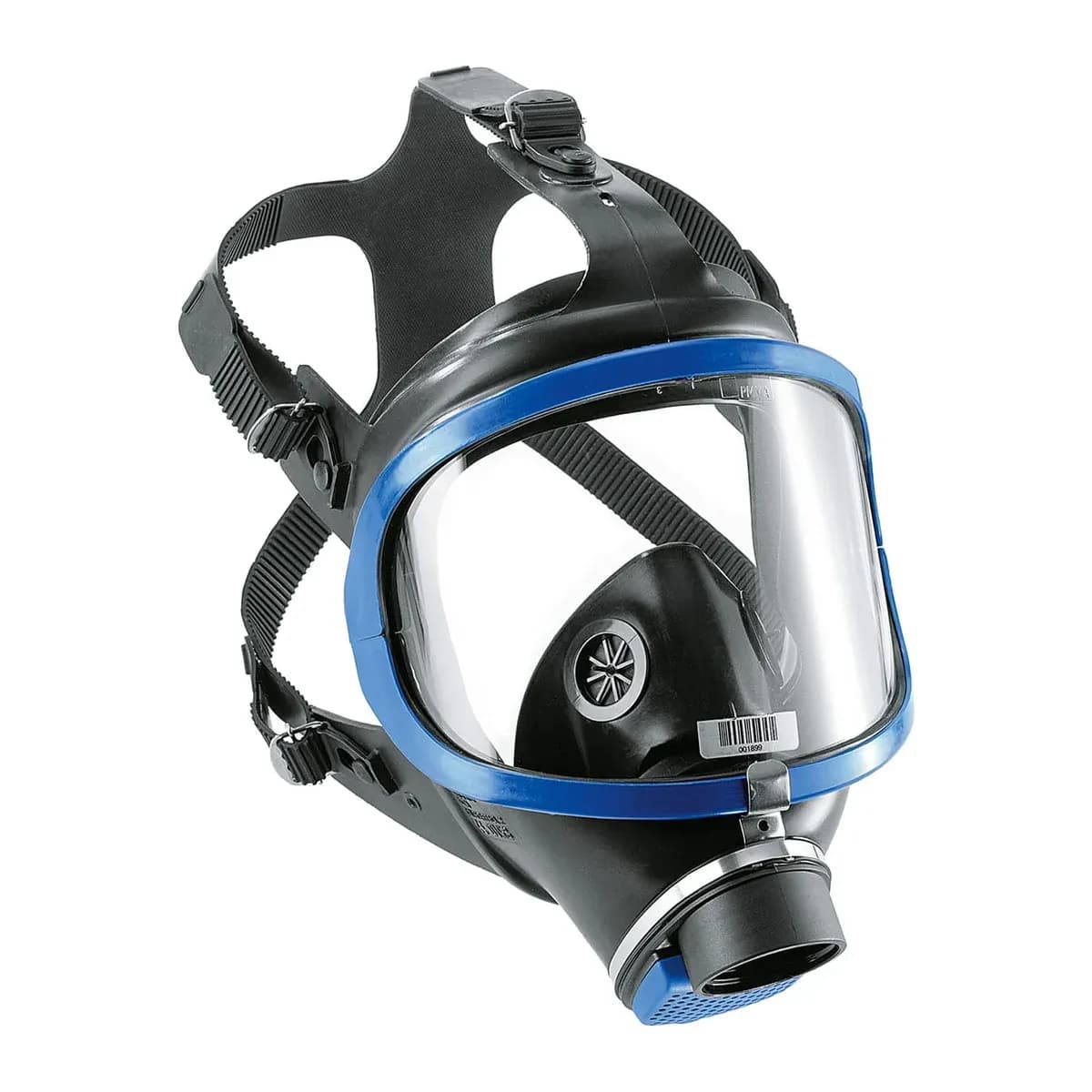
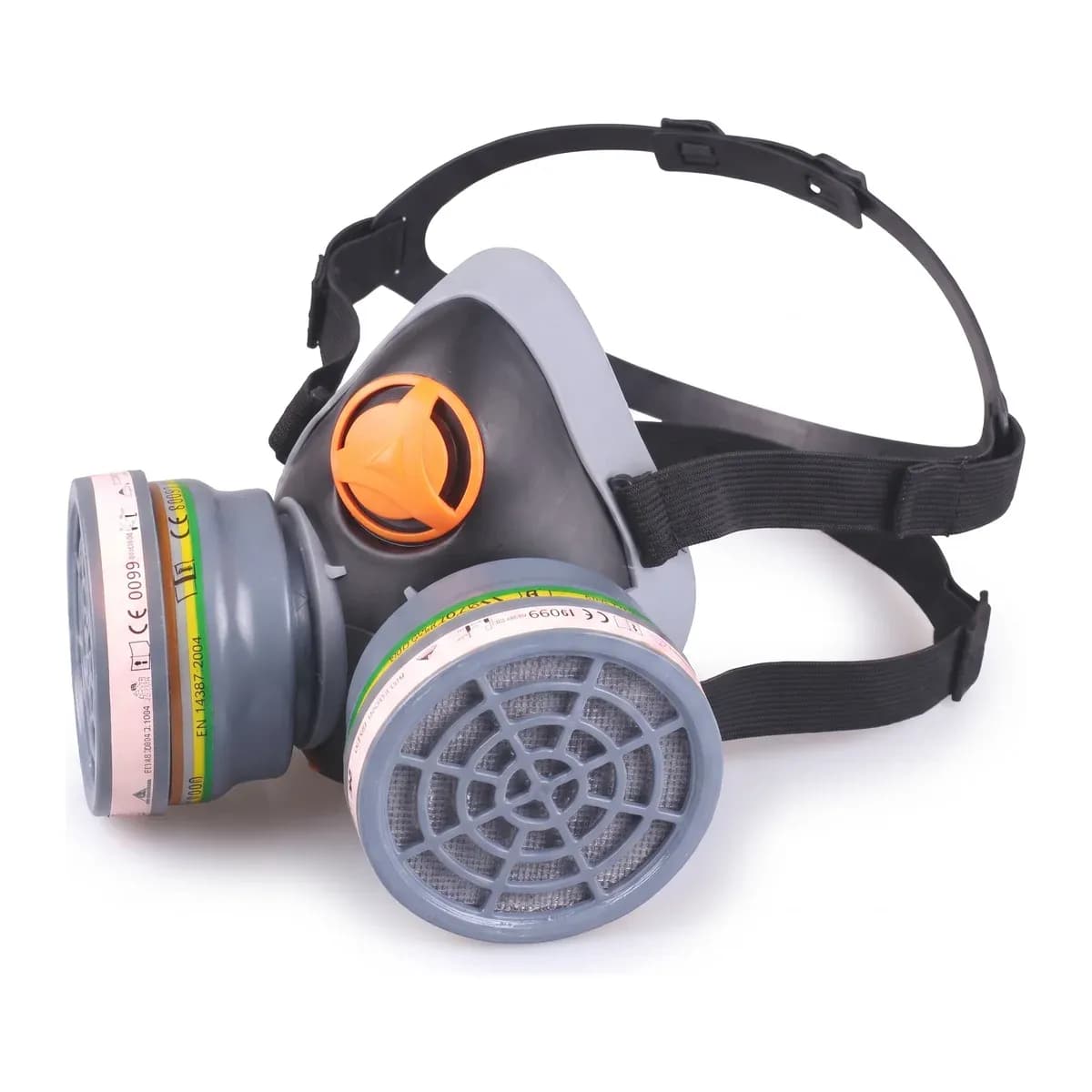
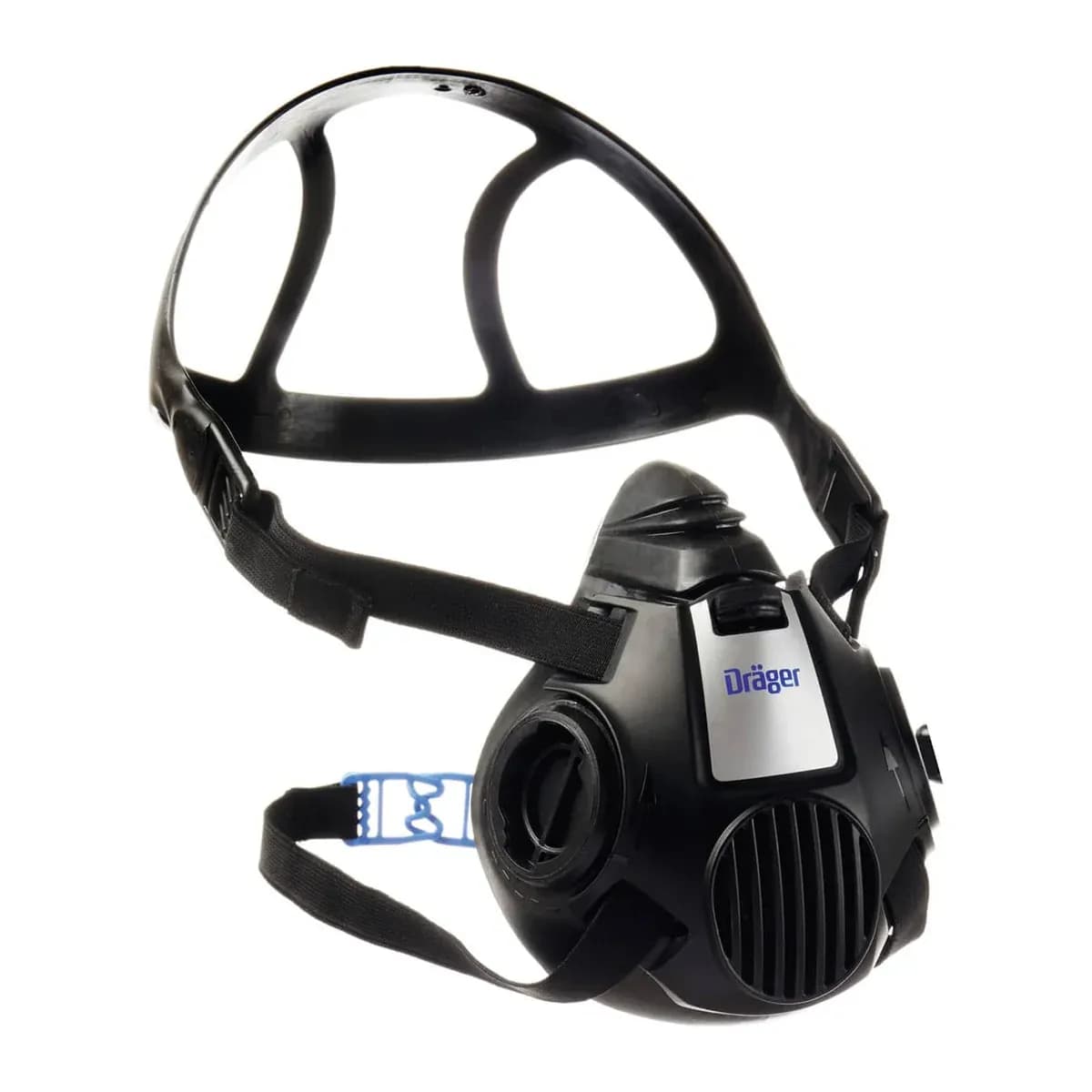
- Facepieces that need to seal to the face: disposable half masks, reusable half masks and full-face masks. This also includes tight-fitting facepieces on filtering, powered and air-fed devices and on breathing apparatus.
- Tight-fitting facepieces that operate under positive pressure should also be tested; the guidance notes that inward leakage can occur during heavy exertion.
- Powered or air-fed devices with a loose-fitting hood or helmet do not require face fit testing.
When should it be carried out and repeated?
The test is carried out at initial selection, as part of choosing the facepiece. It is repeated when the type, size, model or material of the facepiece changes, or when there is a change in the wearer that could affect the fit. Examples given in the guidance:
- weight loss or gain,
- substantial dental work,
- scars, moles or age-related changes in the seal area,
- facial piercings,
- the addition or change of other head-worn personal protective equipment.
The seal check carried out before each use is still required, but it does not replace face fit testing.
Methods and pass criteria
- Qualitative test (QLFT): A pass/fail test based on whether a bitter- or sweet-tasting test aerosol can be detected inside the facepiece. It is suitable for disposable and reusable half masks; it is not suitable for full-face masks.
- Quantitative test (QNFT): Gives a numerical result called the fit factor. Ambient particle counting and controlled negative pressure (CNP) methods are given as examples; it can be used on half masks and full-face masks.
- The minimum fit factor HSE expects is 100 for half masks and 2,000 for full-face masks.
- If the wearer still fails after two tests, another facepiece should be tried rather than persisting with the same one. If an adequate fit cannot be achieved, equipment that does not rely on a face seal, such as a loose-fitting hood or helmet, should be chosen.
Preparation, records and responsibility
- The test is not carried out if there is hair between the skin and the sealing surface, such as stubble, a beard, a moustache, sideburns or a low hairline; employees who wear a tight-fitting facepiece need to be clean-shaven in this area.
- The test must be carried out by a competent person; according to the guidance, competence can be demonstrated through the Fit2Fit accreditation scheme of the BSIF (British Safety Industry Federation).
- The result is recorded in a report or certificate that clearly states pass or fail. Records of RPE examinations and tests are kept for at least five years.
- The cost of testing is borne by the employer.
This guidance is based on UK legislation and is not binding in Türkiye; the requirements that apply should be checked by your employer and your OHS professionals against the legislation in force and the manufacturer's instructions.
For disposable, half and full-face masks in different sizes and models, you can browse the respiratory protection products in our catalogue; for servicing of self-contained breathing apparatus, see our breathing apparatus service page.
Frequently asked questions
When should face fit testing be repeated?
According to INDG479, when the type, size, model or material of the facepiece changes, or in situations that could affect the fit, such as a change in weight, substantial dental work, facial changes in the seal area, a facial piercing or a change in other head-worn equipment.
Can a full-face mask be tested with a qualitative (taste) test?
No. According to INDG479, qualitative testing is not suitable for full-face masks; quantitative methods are used for full-face masks and the minimum fit factor is 2,000.
Sources
- HSE – INDG479: Guidance on respiratory protective equipment (RPE) fit testing (Ekim 2025)
- HSE – Fit testing basics · 2025-04-08
This article is compiled from these sources; for technical values and obligations, the current edition of the source applies.