The regulation, which entered into force on 2 April 2026, has replaced the 2013 rules. Induction training, basic training durations, the limits on distance learning and the rules on certificates have been revised.
The Ministry of Labour and Social Security's Regulation on the Procedures and Principles of Occupational Health and Safety Training for Employees (Çalışanların İş Sağlığı ve Güvenliği Eğitimlerinin Usul ve Esasları Hakkında Yönetmelik) was published in the Official Gazette No. 33212 of 2 April 2026 and entered into force on the same day. The regulation covers workplaces within the scope of the Occupational Health and Safety Law No. 6331 (6331 sayılı İş Sağlığı ve Güvenliği Kanunu) and the persons and organisations that provide training. The previous regulation of 15 May 2013 (No. 28648) has been repealed (Article 27).
Induction and basic training
- The employer ensures that all employees, including apprentices and interns, receive induction training before they actually start work. This training is practical and delivered face to face, lasts at least two hours per person and does not count towards the basic training time (Article 7).
- Depending on the hazard class of the workplace, basic training lasts at least 8 (low hazard), 12 (hazardous) and 16 (very hazardous) lesson hours (Article 13).
- At least 2, 3 and 4 hours, according to the hazard class, are allocated to the fourth topic heading in Annex 1. In hazardous and very hazardous workplaces, this content is prepared specifically for the workplace on the basis of the risk assessment and the emergency plan; in low-hazard workplaces it covers general risks such as working at height, confined spaces and fire (Articles 9 and 13).
- Training is repeated once a year in very hazardous workplaces, every two years in hazardous workplaces and every three years in low-hazard workplaces; refresher training lasts at least 8 hours (Article 14).
Limits on distance learning
- The first three topic headings may be delivered remotely, face to face or by a blended method.
- In low-hazard workplaces, the fourth topic heading may be delivered remotely or by a blended method; in hazardous and very hazardous workplaces it must be delivered face to face.
- In distance learning, log-in and log-out times, completion rates and assessment results are recorded; the platform must prevent fast-forwarding and prompt the participant to interact at regular intervals (Article 12).
Situations requiring additional training
- Where new risks emerge, the place of work or the job changes, work equipment changes or new technology is introduced, there is no waiting for the regular repeat intervals (Article 14).
- Employees who have been away from work for more than six months for any reason receive refresher training covering the fourth topic heading before returning to work (Article 18).
- An employee who has had an occupational accident or contracted an occupational disease receives additional training on returning to work and before starting work (Article 19).
Cost, assessment and certificates
- The employer may not pass the cost of training on to employees; time spent in training counts as working time (Article 5).
- A minimum score of 60 out of 100 is required in the assessment (Article 16).
- For basic training, a certificate is issued in the format set out in Annex 2 and kept in the personnel file; certificates may be signed electronically in accordance with the Electronic Signature Law No. 5070 (5070 sayılı Elektronik İmza Kanunu) and archived electronically (Articles 17 and 26).
- Under the transitional article, training delivered under the previous regulation remains valid; basic training certificates issued previously remain valid for the periods set out in Article 14.
This summary is not legal advice; your training plans should be checked by your employer and your OHS professionals against the current text in the Official Gazette.
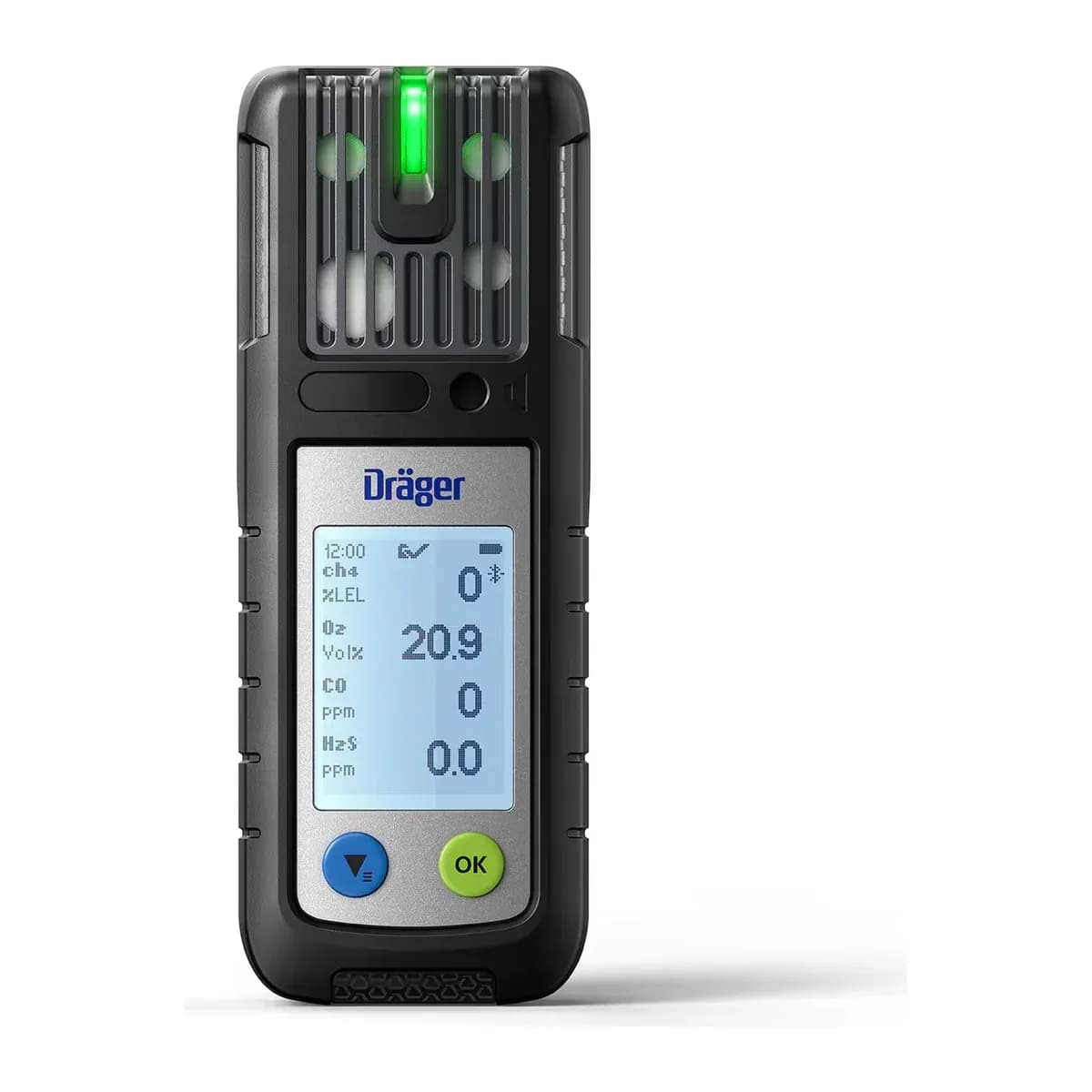
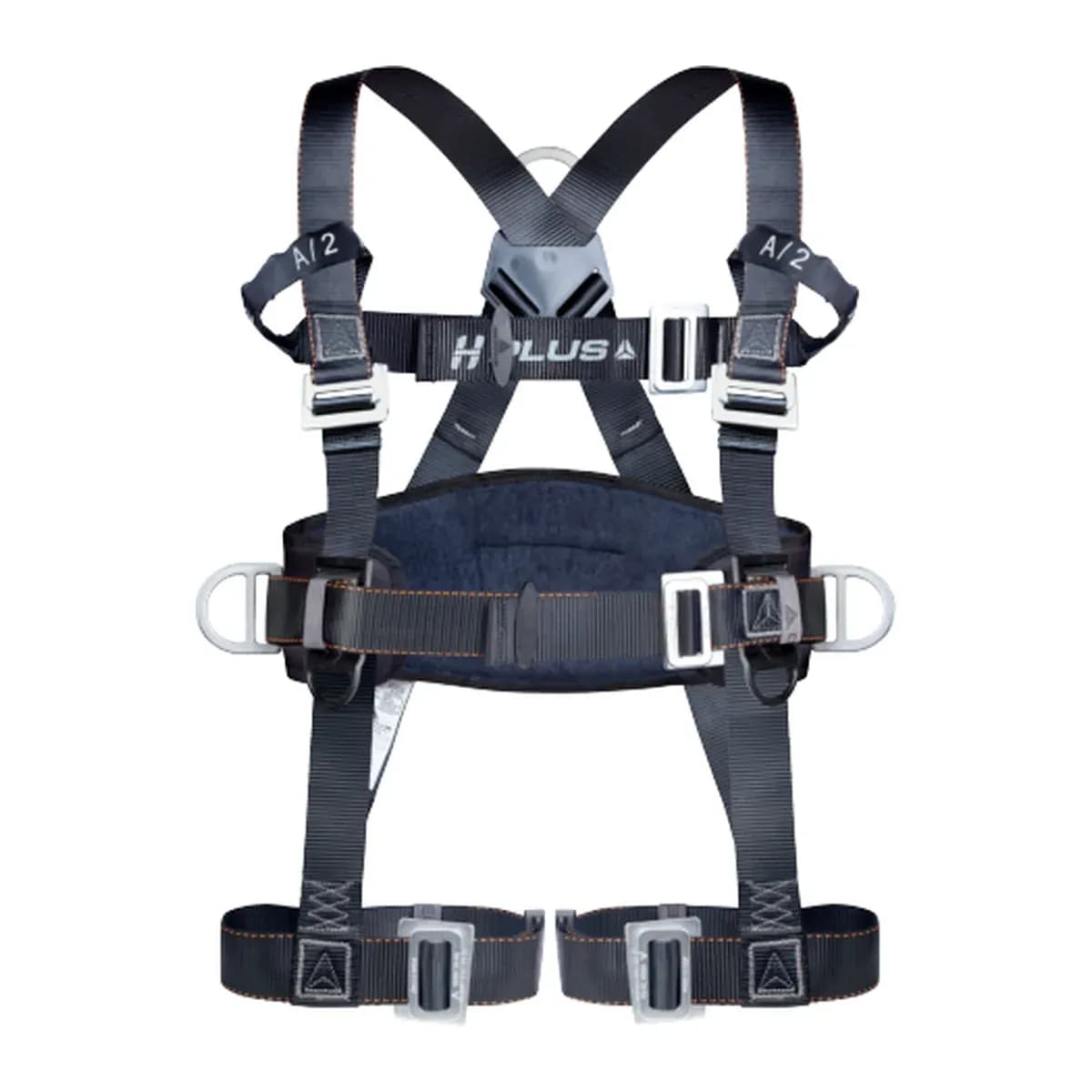
For equipment addressing the working-at-height, confined space and fire risks covered in the training, you can browse the safety harnesses and gas detectors in our catalogue, as well as our portable fire extinguisher service.
Frequently asked questions
What is the minimum duration of basic OHS training?
Under Article 13 of the regulation, at least 8 lesson hours in low-hazard workplaces, at least 12 in hazardous workplaces and at least 16 in very hazardous workplaces.
Can OHS training be delivered entirely remotely?
No. Under Article 12, the workplace-specific fourth topic heading must be delivered face to face in hazardous and very hazardous workplaces; under Article 7, induction training is also face to face and practical.
Sources
- Resmî Gazete – Çalışanların İş Sağlığı ve Güvenliği Eğitimlerinin Usul ve Esasları Hakkında Yönetmelik (sayı 33212) · 2026-04-02
This article is compiled from these sources; for technical values and obligations, the current edition of the source applies.