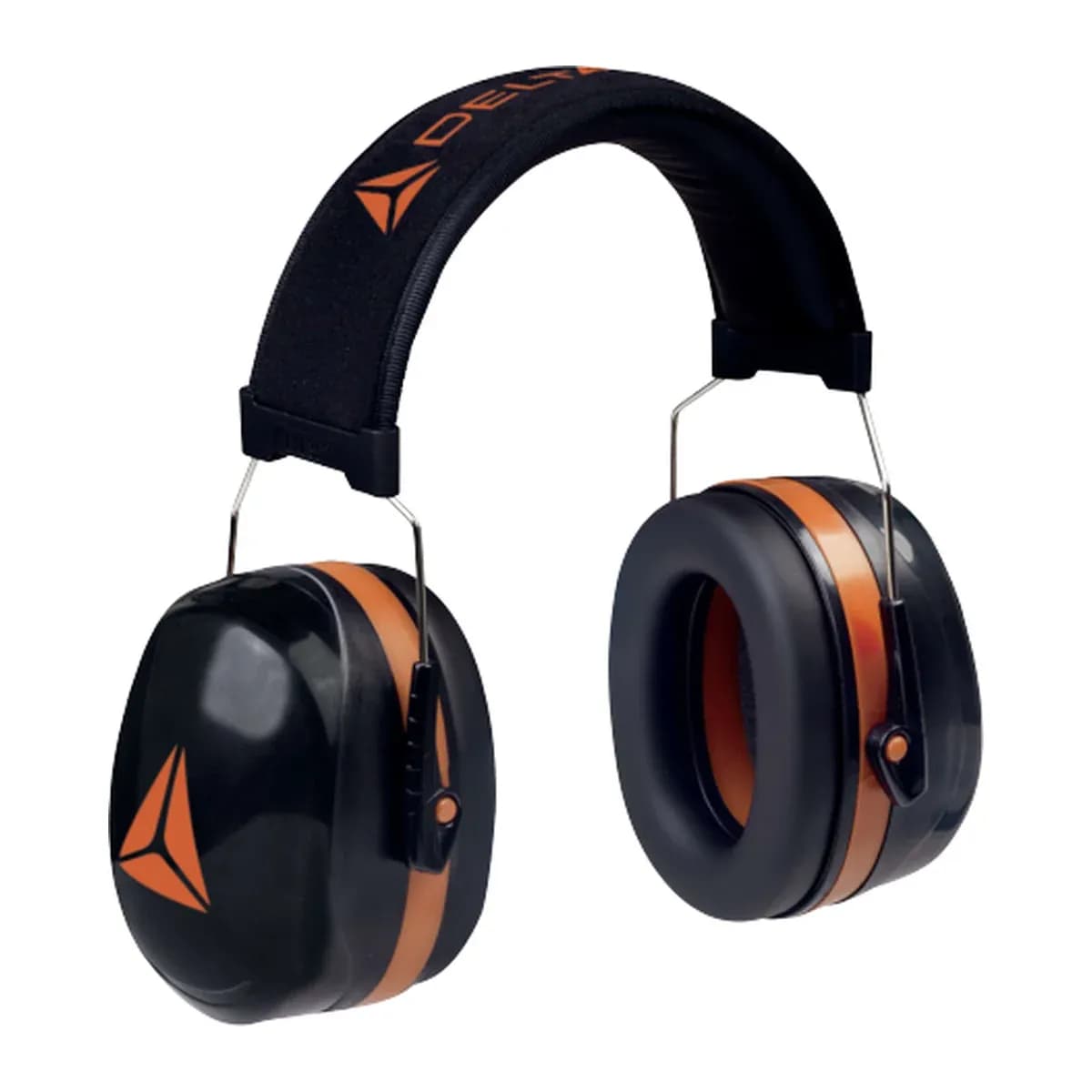
According to Delta Plus, EN ISO 16321 replaces EN 166 and brings stricter tests, new types of test, more performance levels and new marking for eye and face protectors.
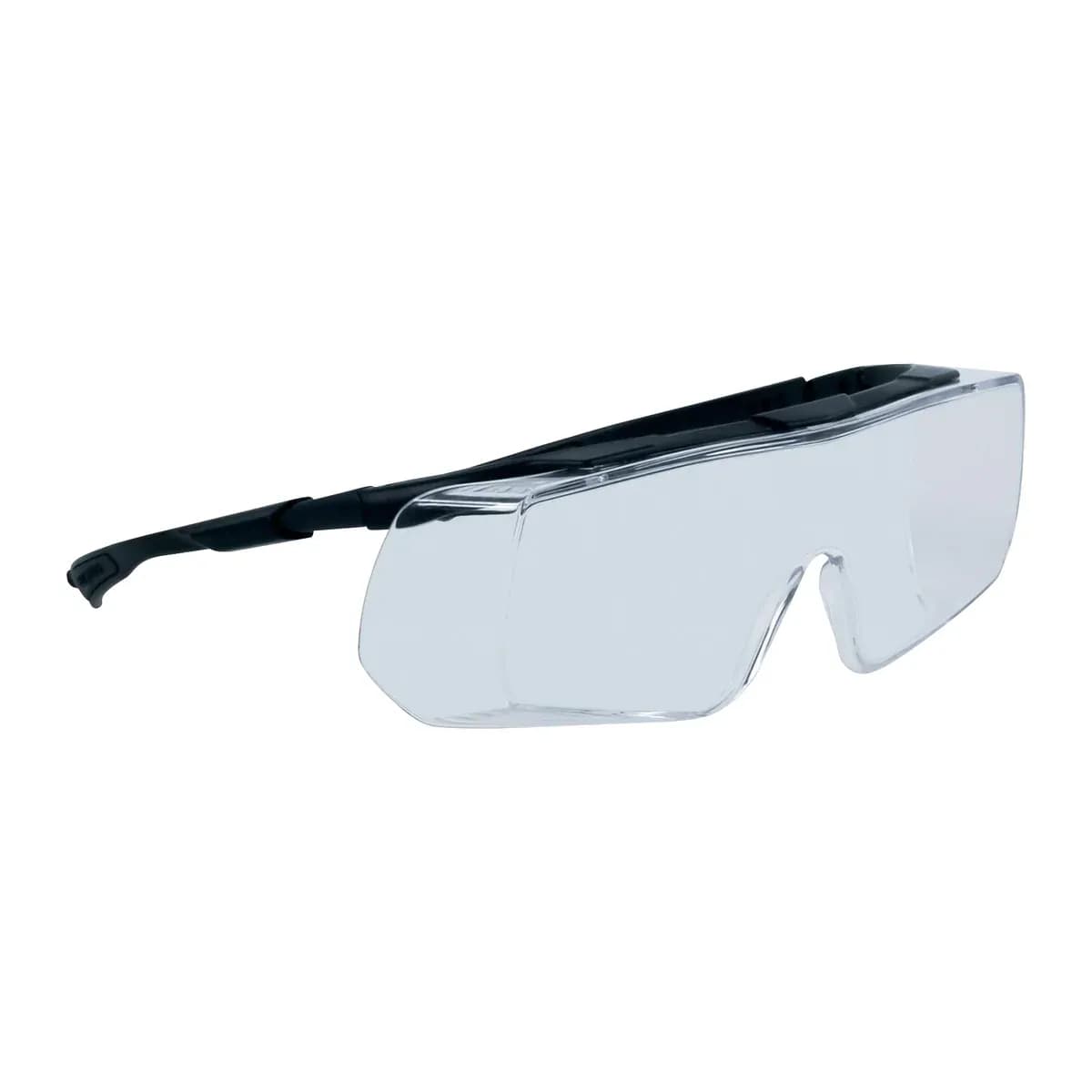
EN 166, long the main reference for eye and face protectors in Europe, is being replaced by the international standard EN ISO 16321. According to information published by Delta Plus in July 2025, the new standard tightens existing tests, adds new types of test and increases the number of performance levels. The transition is gradual: certificates obtained under EN 166 remain valid until they expire.
What does EN ISO 16321 bring?
According to Delta Plus product manager Audrey Partouche, the main changes are:
- Single reference: EN ISO 16321 becomes the single reference standard in place of EN 166; some tests are defined as optional.
- Stricter tests: The robustness and liquid splash tests in particular have been strengthened.
- New tests: Tests for resistance to radiant heat and for impact resistance at extreme temperatures have been added.
- More performance levels: The larger number of levels allows products to be compared in more detail according to the risk.
- New marking: Performances are indicated by numbers or letters on the temples and lenses.
How does the transition work?
According to Delta Plus, the transition works as follows:
- Existing certificates issued under EN 166 remain valid until their expiry date.
- These certificates are issued for a period of five years.
- When the EU type-examination certificate (referred to as AET in the Delta Plus text) expires, the product is retested to the ISO standard.
In practice, this means that for a while products marked to EN 166 and products marked to EN ISO 16321 will be found side by side on site and in supplier catalogues. Because the marking system has changed, it may not be easy to compare two products just by looking at their labels; it is worth reviewing specifications and risk assessments with this transition period in mind.
Checklist for OHS and purchasing teams
- State clearly in technical specifications which standard is accepted, and define the required performances according to the hazard.
- For work involving a risk of liquid splashes, radiant heat or extreme temperatures, specifically ask the supplier for the new test results.
- Introduce the new markings on the temples and lenses in employee training.
- For each model purchased, record which standard the certificate was issued under and its expiry date.
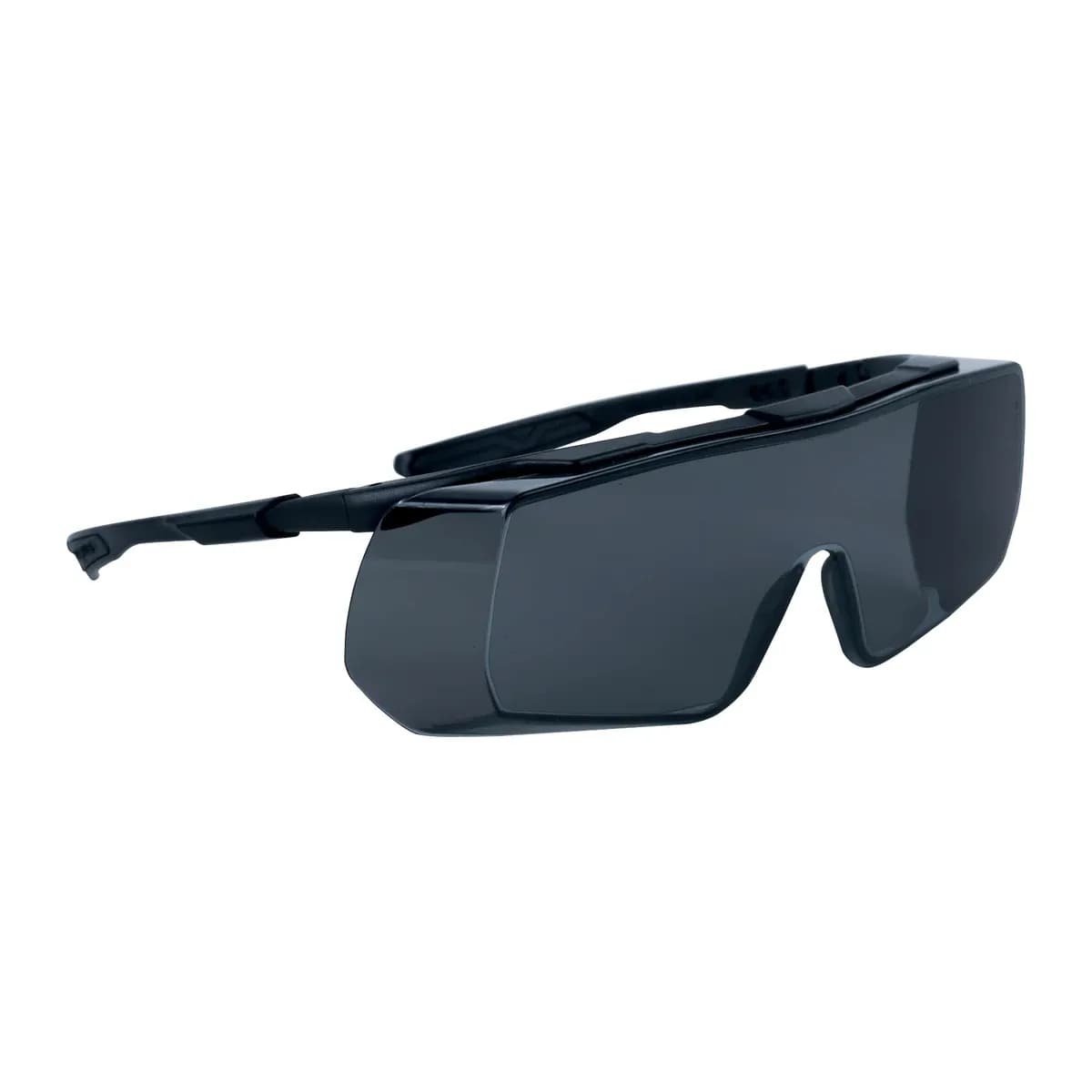
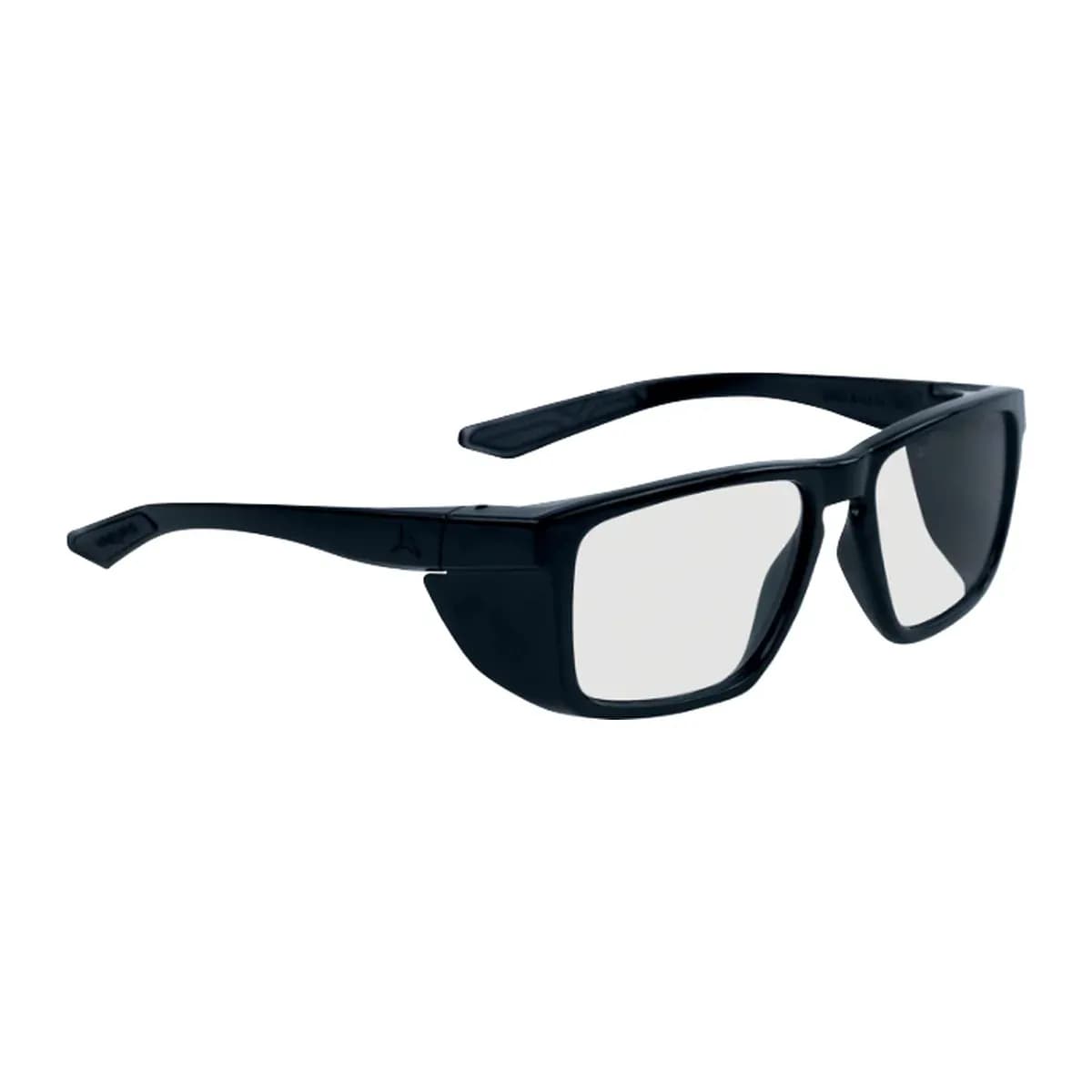
Delta Plus states that the Haruna and Tanaga models were developed with the new standard in mind. Haruna is a model that can be worn over prescription glasses, with clear and smoke lens options; Tanaga is a lightweight design for users who move back and forth between the office and the site.
In the Vertex Safety Türkiye catalogue you can browse Delta Plus safety glasses, including Haruna and Tanaga, and request up-to-date certificate information at the quotation stage.
Frequently asked questions
Are glasses certified to EN 166 no longer valid?
No. According to Delta Plus, existing certificates issued under EN 166 remain valid until their expiry date; these certificates are issued for a period of five years.
What new tests does EN ISO 16321 introduce?
According to Delta Plus, the robustness and liquid splash tests have been strengthened, and tests for resistance to radiant heat and for impact resistance at extreme temperatures have been added.
Sources
- Delta Plus – Eye protection: a new, more stringent international standard EN ISO 16321 · 2025-07-18
- Delta Plus – Delta Plus launches five new safety glasses · 2025-08-01
This article is compiled from these sources; for technical values and obligations, the current edition of the source applies.