According to JSP's technical note, EN 397:2025 brings fundamental changes to the standard with velocity-based tests, a Type 1/Type 2 classification, testing with accessories and the removal of the 440 V option.

EN 397, the European standard for industrial protective helmets, has been updated with its 2025 revision. According to the assessment on JSP's technical support page, this is the most significant change to the standard in the last 30 years, directly affecting test methods, electrical insulation and the accessories used with the helmet. Existing helmets certified to EN 397:2012, however, can still be used and sold until their certificates expire.
Main changes
According to JSP's summary, the key points are:
- Type 1 and Type 2: The standard now classifies helmets into two types. Refer to the text of the standard for the detailed definitions of the types and the test conditions.
- Velocity-based tests: Impact tests are now based on impact velocity rather than drop height.
- Lateral deformation test: This test has been removed from the standard.
- 440 V option removed: For work requiring electrical insulation, EN 50365:2023 is the reference for insulating helmets.
- Testing with accessories: Certain tests are carried out with the accessories fitted to the helmet in place.
- Ergonomics and fit: A requirement concerning how well the helmet fits the user's head has been added.
- New optional requirements: Penetration resistance outside the crown area, enhanced visibility and electrostatic charge dissipation have been defined as optional performances.
According to the catalogue of EVS, the Estonian standards body, EVS-EN 397:2025 applies from 15 May 2025 and the corrigendum AC:2025 from 15 September 2025.
Transition period: do helmets need to be replaced straight away?
JSP answers this question with "There is no rush". Helmets certified to EN 397:2012 can continue to be used and sold until their CE or UKCA certificates expire. There is therefore no need to replace the helmets on site en masse simply because the standard has been revised; the existing inspection and replacement programme can continue.
Even so, a number of practical steps stand out for purchasing and OHS teams:
- For new purchases, ask the supplier in writing which version of EN 397 the product is certified to.
- For work involving electrical risk, consider insulating helmets within the scope of EN 50365 rather than relying on the 440 V marking.
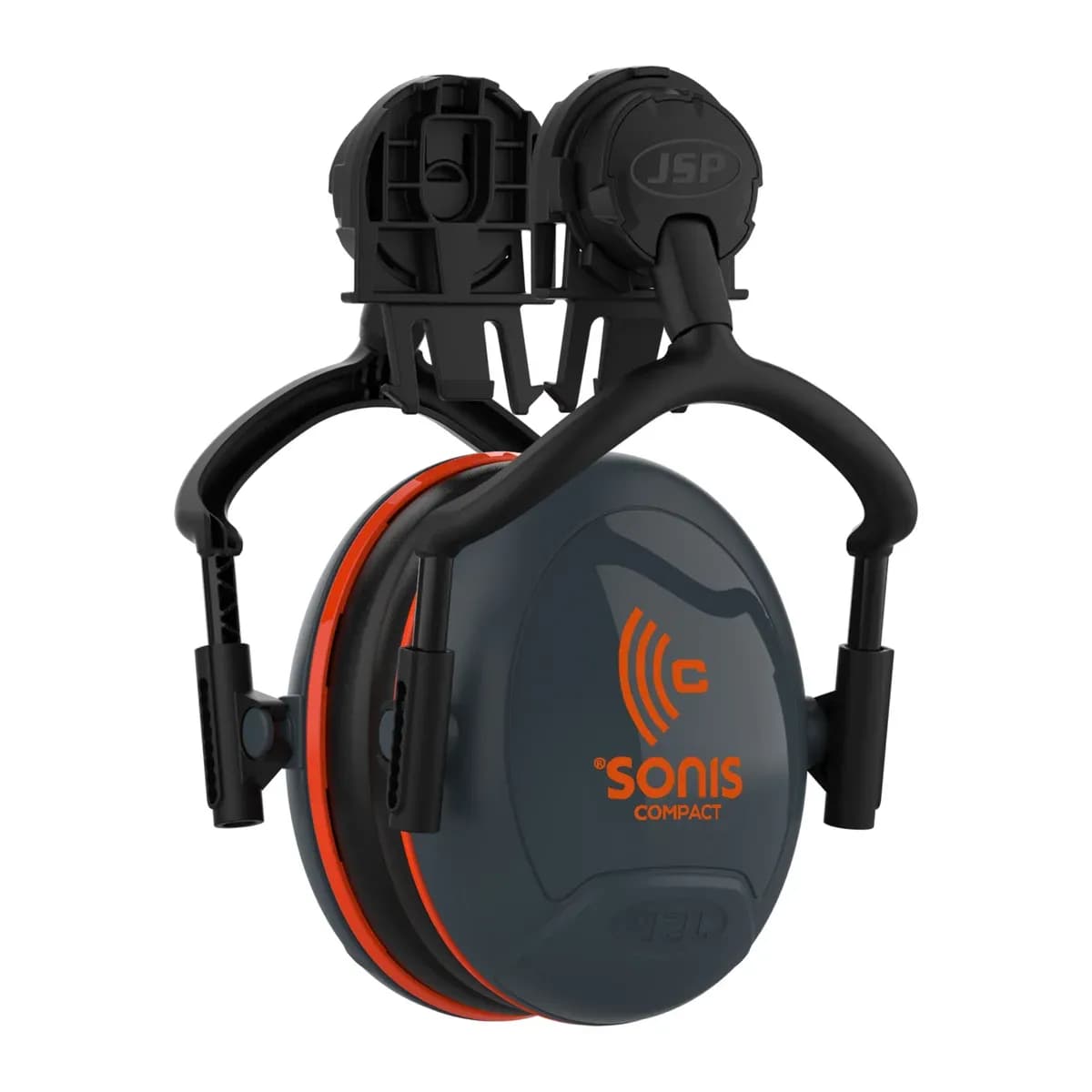
- If you use helmet-mounted ear defenders, visors or lamps, confirm that the combination is approved by the manufacturer.
- Review your technical specifications and risk assessments in light of the new type classification and the optional performances.
Accessories are becoming more important
Assessing helmets with accessories fitted in certain tests means that the helmet is treated as a system rather than on its own. Because visors and ear defenders obtained from different sources can be fitted to helmets on site, it is worth making accessory compatibility lists part of the purchasing process.
In the Vertex Safety Türkiye catalogue you can browse JSP EVO series helmets, helmet-mounted Sonis ear defenders and Surefit visor systems. We recommend confirming at the quotation stage which version of the standard the products are certified to.
Frequently asked questions
Can we continue to use helmets certified to EN 397:2012?
According to JSP, yes. Helmets certified to EN 397:2012 can be used and sold until their CE or UKCA certificates expire.
How will the need for helmets marked 440 V be met?
The 440 V option has been removed in EN 397:2025. According to JSP, EN 50365:2023 is the reference for insulating helmets in applications requiring electrical insulation.
Sources
- JSP Support – Introducing the new EN 397:2025 industrial protective helmet standard
- EVS (Estonian Centre for Standardisation) – EVS-EN 397:2025 · 2025-05-15
This article is compiled from these sources; for technical values and obligations, the current edition of the source applies.